The Essential Guide to Sewer Jetting Hoses: How They Work and Why They Matter
The Essential Guide to Sewer Jetting Hoses:
How They Work and Why They Matter
Maintaining clean and functional sewer lines is critical for both residential and municipal infrastructure. Blockages caused by grease, debris, tree roots, or mineral buildup can lead to costly repairs, health hazards, and environmental damage. Among the most effective tools for tackling these challenges is the sewer jetting hose , a high-pressure cleaning solution revolutionizing the way professionals handle sewer maintenance. This article explores what sewer jetting hoses are, how they work, their benefits, and key considerations for selecting and maintaining them.
What is a Sewer Jetting Hose?
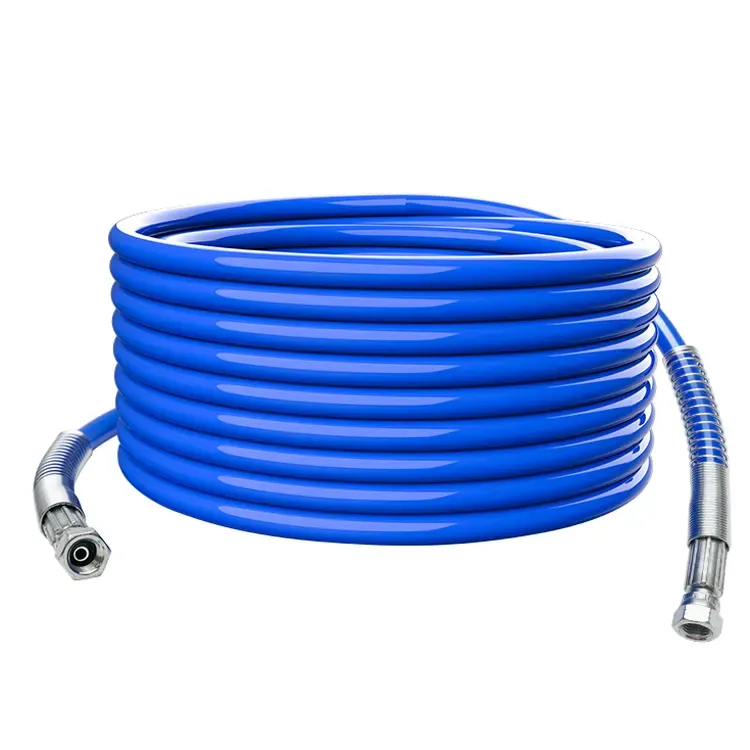
A sewer jetting hose is a specialized, heavy-duty hose designed to withstand extreme water pressure. It connects to a jetting machine that pumps water at pressures ranging from 1,000 to 4,000 PSI (pounds per square inch). These hoses are typically constructed from reinforced materials like thermoplastic, rubber, or polyurethane , layered with steel or synthetic fiber braiding to prevent kinks and bursts under pressure. The hose is paired with a nozzle that directs high-velocity water streams to scour pipe walls, dislodge blockages, and flush debris.
Sewer Cleaning & Jetting Hose
How Does Sewer Jetting Work?
Connection to a Jetting Machine : The hose attaches to a high-pressure water pump (jetter), which pressurizes water from a standard supply or tank.
Nozzle Selection : Different nozzles serve unique purposes:
Forward Jets : Blast water straight ahead to break up tough obstructions.
Rear-Facing Jets : Create backward thrust to propel the hose through pipes while scouring walls.
Rotating Nozzles : Provide 360° cleaning for stubborn buildup.
Operation : As the hose advances through the sewer line, pressurized water cuts through grease, roots, and sediment. The force of the water cleans the pipe interior and flushes waste toward the mainline or access point.
Key Benefits of Sewer Jetting Hoses
Efficiency : High-pressure water clears blockages faster than mechanical augers or chemical treatments.
Versatility : Effective on pipes of varying materials (PVC, clay, cast iron) and diameters.
Eco-Friendly : Uses water instead of harsh chemicals, reducing environmental impact.
Preventive Maintenance : Regular jetting prevents buildup, extending pipe lifespan.
Cost-Effective : Reduces the need for frequent emergency repairs or pipe replacement.
Common Applications
Municipal Sewers : Clearing root intrusions and sediment in public systems.
Residential Drains : Removing grease, soap scum, or hair from household pipes.
Industrial Lines : Addressing heavy oil or chemical residue in factories.
Stormwater Systems : Preventing clogs caused by leaves and debris.
Choosing the Right Sewer Jetting Hose
Consider these factors when selecting a hose:
Material Durability : Opt for abrasion-resistant, flexible materials.
Diameter and Length : Match hose size to the pipe being cleaned (common diameters: 1/4" to 1"). Longer hoses (up to 500+ feet) suit deep systems.
Pressure Rating : Ensure the hose can handle your jetter’s maximum PSI.
Nozzle Compatibility : Use nozzles suited to the blockage type (e.g., root cutters for tree roots).
Maintenance and Safety Tips
Inspect Regularly : Check for cracks, wear, or leaks before each use.
Clean After Use : Flush the hose to remove debris and prevent mold.
Store Properly : Coil loosely in a dry, cool area to avoid kinking.
Follow Safety Protocols : Wear protective gear and avoid directing the nozzle toward people or fragile pipes.
Conclusion
Sewer jetting hoses are indispensable tools for modern plumbing and infrastructure maintenance. Their ability to deliver precision cleaning with minimal environmental impact makes them a preferred choice for professionals and municipalities alike. By investing in a quality hose, adhering to maintenance best practices, and selecting the right nozzle for the job, users can ensure efficient, long-lasting sewer systems. Whether tackling a stubborn clog or performing routine upkeep, sewer jetting technology offers a powerful solution to keep pipelines flowing smoothly.