High-Pressure Jetter Hose: Your Ultimate Guide
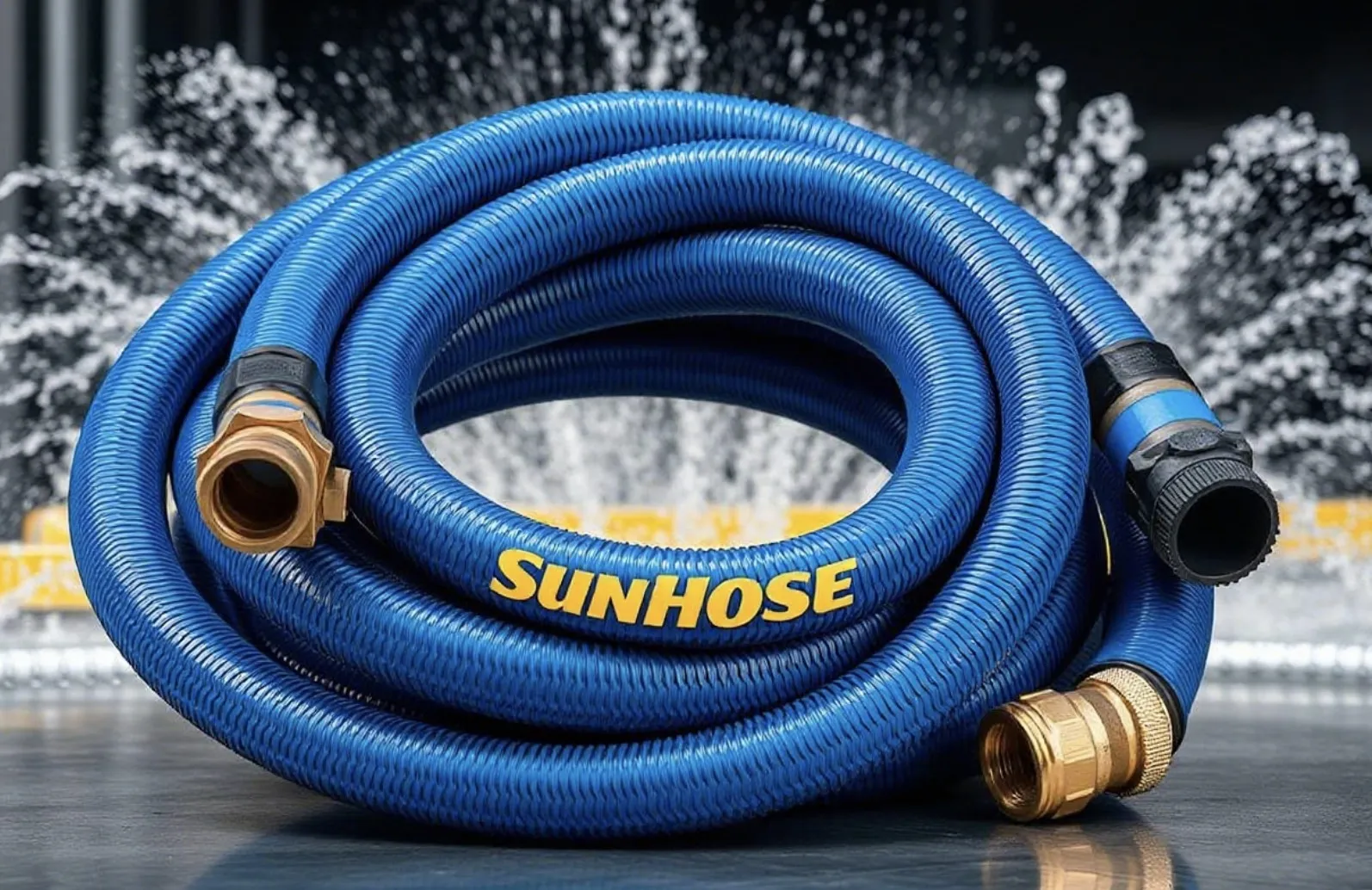
High-pressure jetter hoses are key players in drain cleaning and pipe maintenance. They handle the high pressures from sewer jetters, often reaching 4,000 PSI or more. Whether you work in plumbing, municipal services, or manage an industrial facility, knowing about jetter hoses is vital. It ensures your pipe cleaning work is done well, safely, and efficiently. This guide will cover the important role of jetter hoses, their special features, and how to choose, maintain, and use them. We'll look at everything from the basics of how they're made to advanced accessories and rules in the industry. By the end, you'll know how to get the most out of your high-pressure jetter hoses.
Understanding High-Pressure Jetter Hose Basics
Jetter hoses are made for high-pressure water flow. They are not like regular hoses. These hoses are strong and last long, perfect for cleaning and maintenance tasks. They are used for cleaning drains, sewer maintenance, and flushing pipes in cities.
What Makes Jetter Hoses Special
Jetter hoses have a strong outer layer and a tough inner core. They also have special fittings to handle high pressure. This design lets them be flexible yet strong enough for tough jobs.
Common Applications and Uses
- Clearing grease buildup in pipes and drains
- Cutting through tree roots in sewer lines
- Flushing debris and sediment from commercial and municipal pipe systems
Key Components of Jetter Hoses
Jetter hoses are made from materials that are flexible, resistant to wear, and can handle high temperatures and pressures. The outer layer protects the inner core. The inner core is reinforced for the strong water flow. The fittings at each end ensure a tight, leak-free connection to the jetting equipment.
| Feature | Benefit |
|---|---|
| Durable outer layer | Protects the inner core and resists abrasion |
| Reinforced inner core | Withstands high-pressure water flow |
| Specialized fittings | Provides secure, leak-free connections |
Types of Professional Jetter Hose Equipment
There's a wide range of jetter hose equipment for sewer and drain cleaning. From small units for homes to big systems for cities, there's something for everyone. Each type meets different needs and requirements. Electric drain jetters are great for indoor use. They're clean and easy to use for homes and businesses. Gas-powered hydro jetters are portable and work well outdoors. They're good for many sewer jobs. Diesel-powered jetters are for tough jobs. They're strong and used in big places like cities and factories. Hot water jetters are also good for tough jobs. They use hot water to clean. Cold water hydro jetters are a cost-effective choice. They're not as strong as hot water ones but work well for most cleaning jobs. Some makers let you design your own jetter. You can get special sizes and PSI levels for your specific needs. This is great for businesses and industries.
| Product | Price Range |
|---|---|
| 1/2" US Jetting Hose | $1,565.00 |
| 1/2" Parker Hose Green | $1,960.00 |
| 1/2" Parker Hose Black | $2,257.00 |
| 1/2" Piranha Hose | $1,650.00 - $2,300.00 |
Essential Features of Quality Jetter Hose Systems
High-performance water jetter hoses have key features that make them stand out. First, they have high pressure ratings, often above 4,000 PSI. This high pressure is vital for breaking through tough blockages in pipes and drains. Durability is another important feature. Top jetter hoses have outer layers that resist abrasion and inner cores that are reinforced. This makes them last longer, even in tough environments. They come in different sizes and lengths to fit various pipe sizes and needs.
Pressure Ratings and Specifications
The right balance between pressure and flow rate is key for effective jetting. Higher pressure helps cut through stubborn clogs, while more flow rate means better flushing. Quality jetter hoses find this balance to handle many pipe cleaning tasks.
Material Construction and Durability
Using durable materials like abrasion-resistant polymers and reinforced cores is crucial. These materials help jetter hoses last longer, reducing the need for frequent replacements.
Size and Length Considerations
Jetter hoses come in various diameters and lengths. The right size and length are important for effective cleaning. They also need to be easy to maneuver in tight spaces. By focusing on these key features, your high-pressure jetter hose and water jetter hose systems will perform well. They will be reliable, efficient, and last a long time for all your pipe cleaning tasks.
Maintaining Your Jetter Hose Performance
Keeping your jetter hose in good shape is key to its long life and best performance. It's important to check it before and after each use. Look for signs of wear like holes, kinks, tears, or leaks. Using protective gear like tiger tail holders and manhole rollers can also help avoid damage. If your jetter hose gets damaged, you have a few choices. You can buy a new one, get it fixed by a pro, or fix it yourself with the right parts. Storing and handling the hose right, like avoiding sharp bends and keeping it away from extreme temperatures, can make it last longer.
Maintaining Jetter Hose Performance
- Inspect the jetter hose for any damage or wear before and after each use.
- Use protective equipment like tiger tail holders, manhole protector rings, and manhole rollers to prevent damage during operation.
- Consider purchasing a new jetter hose, seeking professional repair services, or performing on-site repairs if damage is found.
- Store the jetter hose properly, avoiding sharp bends and protecting it from extreme temperatures, to extend its lifespan.
"Regular maintenance and care are essential for ensuring the long-term performance and reliability of your jetter hose. By following these best practices, you can maximize the lifespan and efficiency of this critical component."
A well-kept jetter hose is vital for effective pressure washer sewer jetter work. Regular checks, using protective gear, and proper storage keep your hose in great shape. This ensures it works well for all your projects.
Safety Guidelines and Best Practices
Working with a high-pressure sewer jetting hose needs careful attention and strict safety rules. It's vital to wear the right protective gear. This includes gloves, safety vests, jackets, boots, helmets, visors, and ear protection. It's important to follow the correct steps when using these hoses. Make sure the hose is fully inserted into the pipe before starting the pump. This prevents the hose from coming out too soon, which could hurt you. Always keep a safe distance from the nozzle and never aim it at people or animals.
Emergency Response Protocols
Having clear emergency plans is key. All operators should know how to quickly stop the hose and what to do in case of an injury. Regular safety training and following industry rules are crucial for everyone using these hoses.
| Safety Consideration | Best Practice |
|---|---|
| Pressure Ratings | Water pressure above 2,000 PSI requires a full face shield, and at 4,000 PSI the water jet can literally tear an eyeball from its socket. |
| Hose Inspection | Never use damaged or weakened hose, as it can lead to dangerous incidents. |
| Nozzle Attachment | All jetting nozzles must be threaded on and tightened securely to avoid hazardous situations. |
| Operator Positioning | Operator must position themselves out of the possible path of an out-of-control nozzle or cleaning tool and any debris that they could come into contact with. |
Common Issues and Troubleshooting
Keeping your jetter hose in top shape is key for effective cleaning. But, even with good care, problems can still happen. Here, we'll look at common issues and how to fix them to keep your hose working well. Wear and tear can lead to reduced performance. The hose might get damaged, causing leaks or lower pressure. It's important to check the hose for cracks or abrasions regularly. Also, make sure all parts, like the pump and nozzle, are connected right to keep pressure up. Blockages in the hose can also lower performance. These might come from debris or buildup inside the hose. To fix this, flush the system with clean water after each use. Also, store the hose properly to stop contaminants from building up.
| Issue | Troubleshooting Steps |
|---|---|
| Reduced performance due to wear | Inspect hose for visible signs of damage; ensure proper connection of all components; verify pump functionality |
| Hose blockages | Flush the system with clean water after use; store the hose properly to prevent debris buildup |
| Leaks from damaged or loose fittings | Check for visible damage to hose and fittings; tighten any loose connections; replace damaged components as needed |
If problems keep happening, get a professional to check and fix it. For small repairs, like replacing hose ends, use the right tools and parts from the manufacturer. This ensures a safe and reliable fix. Regular maintenance, like flushing and proper storage, can prevent many issues. By being proactive and fixing problems quickly, your jetter hose will keep working well for all your cleaning tasks. 
Professional Jetter Hose Selection Guide
Choosing the right sewer jetting hose or pressure washer sewer jetter is important. The size and type of application matter a lot. Whether it's for homes or businesses, the hose specifications need to match.
Residential vs Commercial Applications
For homes, smaller sewer jetting hoses work best. They are usually 1/8" to 1/4" in diameter. These hoses can clear lines up to 4" in size and reach 200 feet away. Businesses and cities need bigger hoses. They are 3/8" to 1/2" ID. These can handle 4" to 8" lines and go up to 400 feet.
Budget Considerations and ROI
The cost of a pressure washer sewer jetter hose is important. But, think about how long it will last and how well it will work. Spending more on a quality hose might save money in the long run. Consider how often you'll use it and if it will save you time. A good hose can mean fewer repeat calls.
Compatibility Factors
Make sure the hose fits with the jetter's pressure and flow rate. It should also work with your nozzles and fittings. Think about the types of blockages and pipe sizes you'll face. By looking at your needs, budget, and compatibility, you can pick the sewer jetting hose or pressure washer sewer jetter that's right for you. This will help you get the best results.
Advanced Jetter Hose Accessories and Attachments
There are many advanced accessories and attachments for your jetter hose. These can make your jetting system better and more versatile. They help you clean and maintain different areas more efficiently. Specialized nozzles are a key accessory. They come in types like root-cutting, grease-removal, and general cleaning. For example, the Spartan Tool 1/4" NPT KBR Rotojet Nozzle (79992302) is great for cutting roots. The Spartan Tool 1/2" NPT Grenade Bomb Nozzle (79992101) is excellent for removing grease and debris. Other useful items include tiger tail hose guides and leader hoses. These protect your jetter hose and make it easier to insert. Some systems even have GPS tracking or pressure monitoring for better efficiency and safety.
| Accessory | MSRP |
|---|---|
| Spartan Tool HF Beacon Nozzle (79943800) | $168.56 |
| Spartan Tool Model 740 3/8" Open Nozzle (74022400) | $112.50 |
| Spartan Tool 3/8" 3000 PSI Open Nozzle (75800900) | $112.50 |
| Spartan Tool 1/8" 20-Deg Open Nozzle (71137500) | $40.18 |
| Spartan Tool 1/4" 20-Deg Open Nozzle (71108500) | $40.18 |
| Spartan Tool 3/16" 20-Deg Open Nozzle (72705500) | $87.06 |
| Spartan Tool 9/16" 20-Deg Open Nozzle (72705200) | $99.11 |
| Spartan Tool Model 738 3/8" Open Nozzle (73809300) | $92.41 |
| Spartan Tool 1/4" NPT Grenade Bomb Nozzle (79992300) | $190.00 |
| Spartan Tool 1/2" Domed Closed Nozzle (77701300) | $124.56 |
Industry Standards and Regulations
The sewer jetting hose and water jetter hose industries follow strict safety rules. These rules are made by groups like the Occupational Safety and Health Administration (OSHA) and the Environmental Protection Agency (EPA). They also come from industry groups like the National Association of Sewer Service Companies (NASSCO). Standards for pressure, materials, and more come from the American Society for Testing and Materials (ASTM). It's key for makers and users to follow these rules. This ensures the equipment works right, keeps people safe, and protects the environment. It's also important to get regular training and certifications. These help workers know how to use high-pressure tools safely. They make sure pros can do their jobs well.
| Hose Specification | Industry Standard | Typical Range |
|---|---|---|
| Hose Size | ASTM | 3/16" to 1" |
| Hose Length | Industry Best Practices | 100' to 500' |
| Working Pressure | ASTM | 2,000 to 6,000 PSI |
| Burst Pressure | ASTM | 6,250 to 12,500 PSI |
Conclusion
High-pressure jetter hoses are key in today's plumbing and drain cleaning. They clear blockages, remove buildup, and clean pipes well. They're vital for homes, businesses, and cities. When picking a jetter hose for pressure washer , look at pressure, material, and use. The right hose makes a big difference. Keeping hoses in good shape and following safety rules is important. This way, they work better and last longer. New tech makes hoses safer and more efficient for drain cleaners. Experts like US Jetting, Parker, and Piranha help professionals choose the best high-pressure jetter hose. They deal with tough jobs, like avoiding hose traps and fighting cold weather damage.
FAQ
What makes jetter hoses special?
Jetter hoses are made to handle high-pressure water flow. They are different from regular hoses. They can take the intense pressure from jetters, which work at 4000 PSI and higher.
What are the common applications and uses of jetter hoses?
Jetter hoses are used in many ways. They clean drains at homes, maintain sewers in businesses, and clean pipes in cities. They help clear blockages and clean pipes well.
What are the key components of jetter hoses?
Jetter hoses have a strong outer layer and a reinforced inner core. They also have special fittings for high pressure. These parts help the hoses handle the strong water flow needed for cleaning.
What types of professional jetter hose equipment are available?
There are many types of professional jetter hose equipment. You can find electric, gas, and diesel-powered jetters. They range from small units for homes to big ones for cities.
What are the essential features of quality jetter hose systems?
Good jetter hose systems can handle high pressures, like 4000 PSI and more. They are made to last, with strong outer layers and inner cores. It's important to choose the right size and length for the job.
How do you maintain jetter hose performance and longevity?
Keeping jetter hoses in good shape is key. Regular checks, avoiding damage, and proper storage and handling can make them last longer.
What are the safety guidelines and best practices for operating jetter hoses?
Safety is very important when using jetter hoses. You need the right protective gear, follow the right steps, and know what to do in emergencies. This keeps everyone safe.
What are some common issues with jetter hoses, and how do you troubleshoot them?
Problems can include reduced performance, leaks, and blockages. To fix these, check for damage, make sure connections are tight, and check the pump.
How do you select the right jetter hose for your application?
Choosing the right jetter hose depends on several things. Consider the job, your budget, and if it fits with your equipment. Knowing the types of blockages and pipe sizes is also important.
What are some advanced accessories and attachments for jetter hoses?
There are many accessories that can make jetter hoses better. You can get special nozzles, guides, leader hoses, camera systems, and rotating nozzles. These can make cleaning easier and more effective.
What industry standards and regulations govern the jetter hose industry?
The jetter hose industry follows safety, performance, and environmental rules. Organizations like OSHA, EPA, and NASSCO set these standards. Following them is important for reliable equipment, safe operators, and protecting the environment.