What is a Steel Wire Hose Used For?
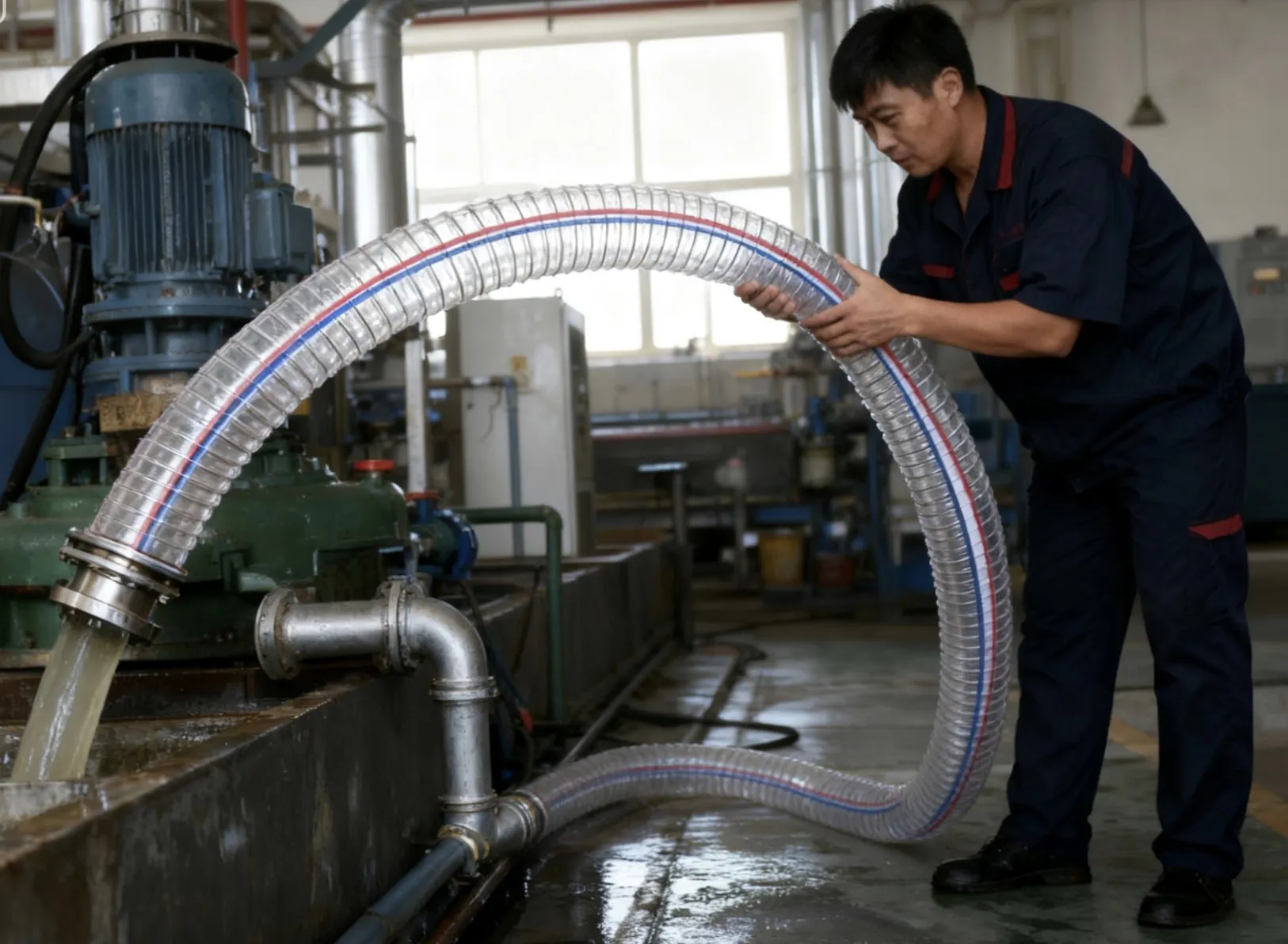
What is a Steel Wire Hose Used For?
Introduction to Steel Wire Hoses
When you need a hose that can handle heavy-duty tasks without losing flexibility, a steel wire hose is the go-to choice. These hoses combine the toughness of steel with the flexibility of PVC or rubber, making them ideal for a wide range of industrial and commercial applications.
Definition and Key Features
A steel wire hose is a reinforced hose with a spiral of high-tensile steel wire embedded inside. This wire acts as a skeleton, providing excellent strength, crush resistance, and stability while keeping the hose lightweight and flexible.
How Steel Wire Reinforcement Works
Think of the steel wire as the backbone of the hose. It prevents collapsing under vacuum or pressure and maintains shape even when bent sharply. This makes the hose perfect for suction and discharge operations.
Types of Steel Wire Hoses
PVC Steel Wire Reinforced Hose
This type is made of high-quality PVC material with an embedded steel wire helix. It’s commonly used for suction and discharge of water, oil, and chemicals.
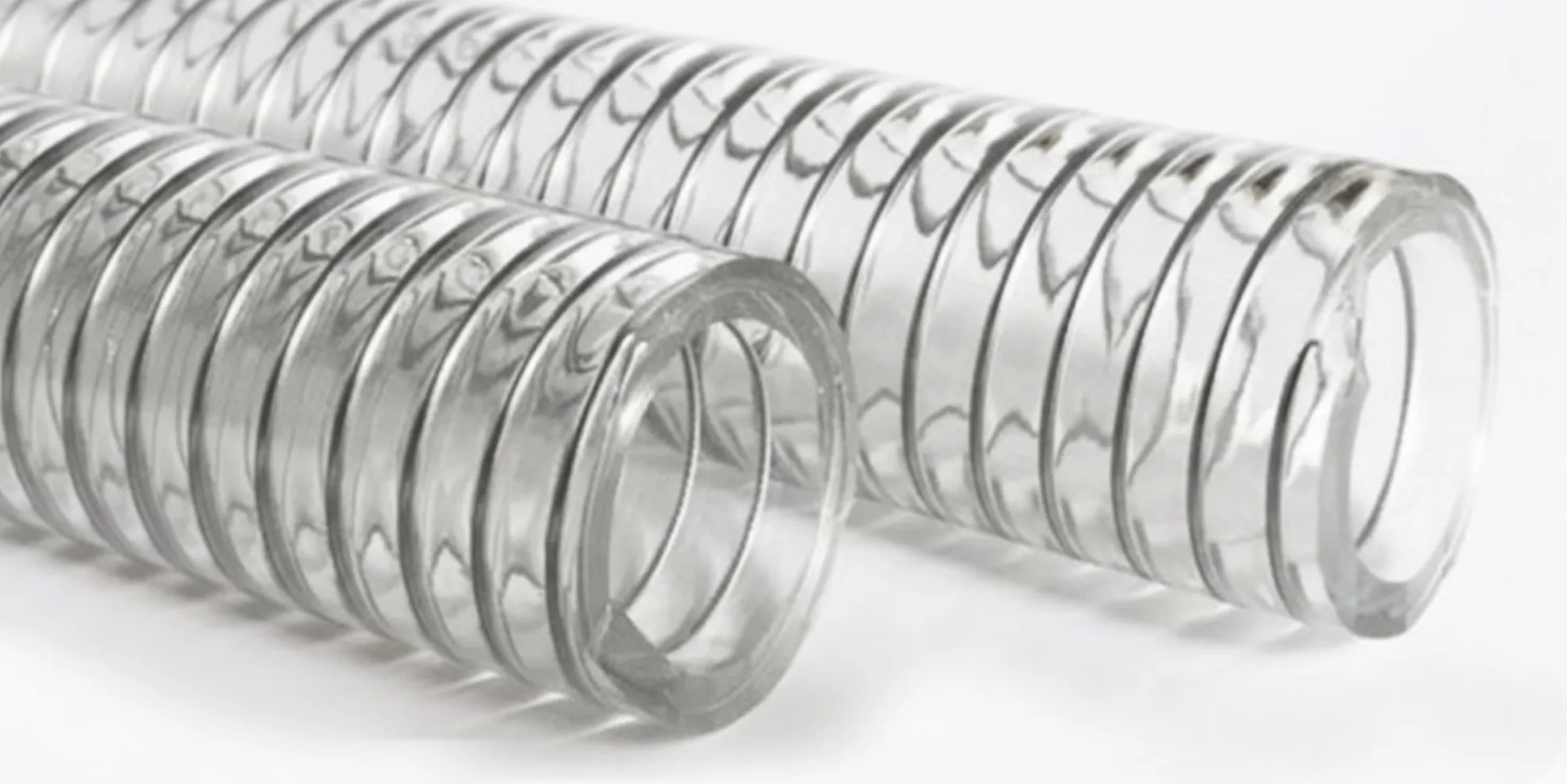 Transparent PVC Steel Wire Hose
Rubber Steel Wire Hose
Built for heavy-duty operations, rubber hoses reinforced with steel wire are ideal for high-pressure applications in industrial settings.
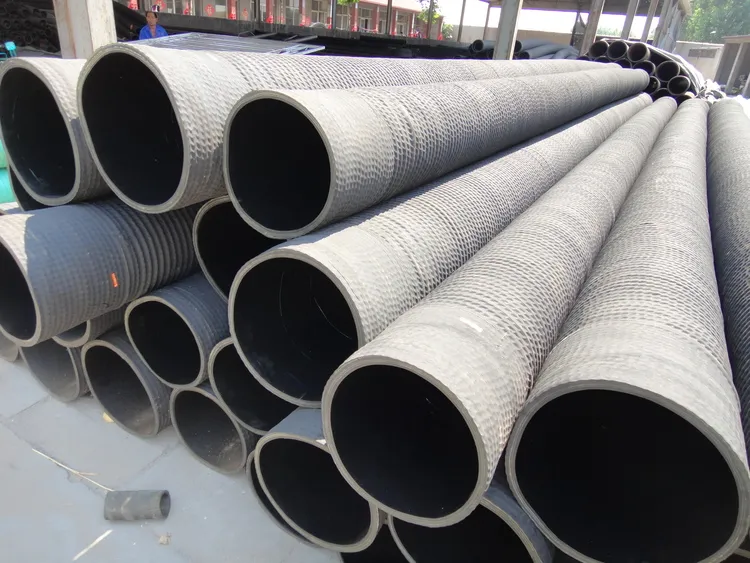 Rubber Suction Hose
High-Pressure Steel Wire Hose
These are designed to handle intense pressures, often used in hydraulic and industrial machinery.
Food-Grade Steel Wire Hose
Made from non-toxic materials, these hoses are suitable for transferring beverages, milk, and other consumable liquids while maintaining strict hygiene standards.
Main Applications of Steel Wire Hoses
Industrial Applications
Suction and Discharge of Liquids
Steel wire hoses are excellent for moving water, oil, and other industrial liquids because they resist collapsing under vacuum.
Chemical and Petroleum Industries
They are widely used for handling corrosive chemicals, petroleum, and other hazardous materials due to their chemical resistance.
Agricultural Applications
Irrigation Systems
Farmers rely on steel wire hoses for irrigation because they can withstand high water flow and pressure.
Fertilizer and Pesticide Transfer
The hoses are strong enough to transfer liquid fertilizers and pesticides without leakage.
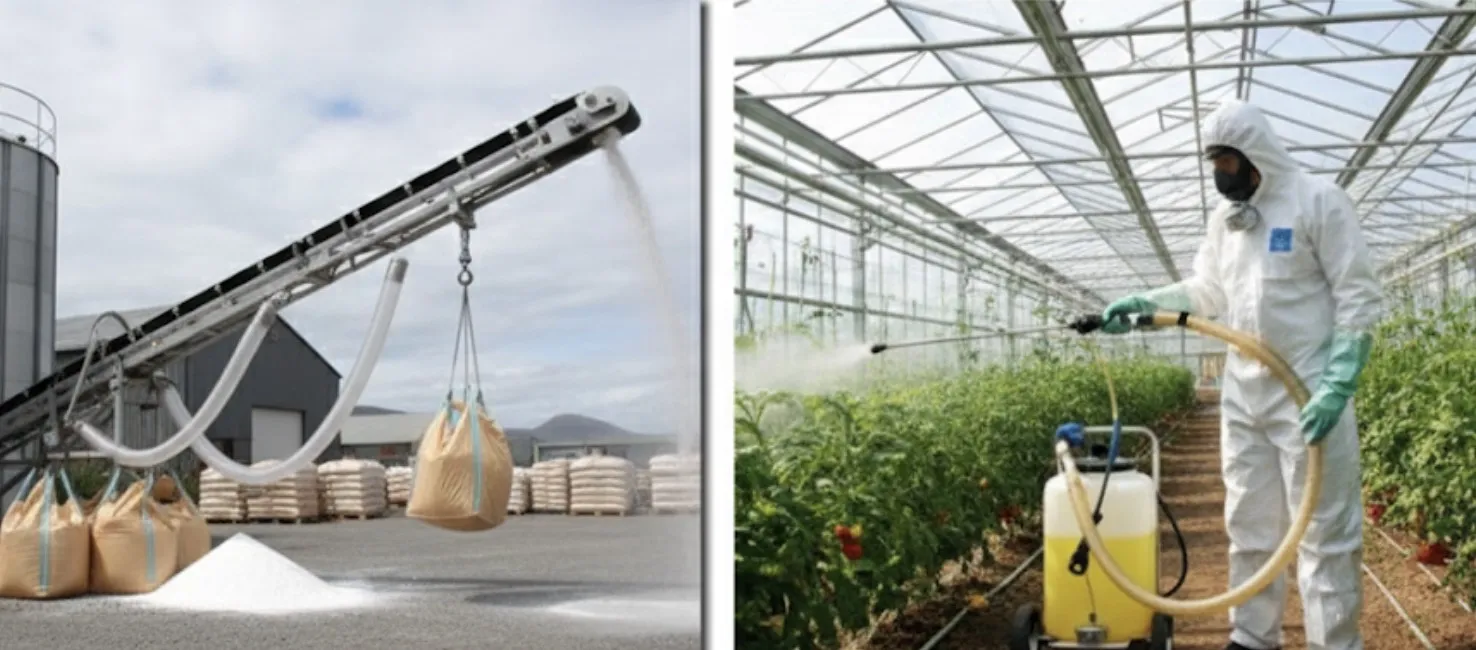 Application of steel wire hose
Food and Beverage Industry
Transportation of Milk, Juice, and Beverages
Food-grade steel wire hoses safely transport consumable liquids without contamination.
Maintaining Hygiene and Safety
These hoses are designed with smooth interiors to prevent bacteria buildup and ensure cleanliness.
Construction and Mining
Dust and Slurry Handling
Steel wire hoses handle abrasive materials such as dust and slurry in mining operations.
Water Supply in Harsh Environments
Their durability makes them perfect for supplying water on construction sites.
HVAC and Ventilation Systems
Steel wire hoses can also transport air in heating, ventilation, and air-conditioning systems.
Key Benefits of Steel Wire Hoses
Flexibility with Strength
They bend easily while staying strong, making them versatile for different setups.
Resistance to Crushing and Kinking
Thanks to the steel reinforcement, these hoses won’t collapse even under high suction.
Durability in Extreme Temperatures
Steel wire hoses perform well in both hot and cold environments.
Chemical and Corrosion Resistance
They can safely handle chemicals and resist rust or corrosion.
Choosing the Right Steel Wire Hose
Factors to Consider
Temperature and Pressure Requirements
Check the working temperature and pressure to match the hose with your application.
Type of Fluid or Material Transported
Different hoses are designed for different fluids—whether chemicals, food products, or water.
Hose Diameter and Length
Select the correct diameter and length to ensure smooth flow and efficient operation.
Maintenance Tips for Longevity
Regularly inspect for wear, clean after use, and store in a cool, dry place to extend its lifespan.
Common Industries Using Steel Wire Hoses
Manufacturing and Production Plants
Used for transferring liquids, gases, or chemicals in factories.
Agriculture and Farming
Essential for irrigation and fertilizer distribution.
Marine and Shipbuilding
Handles water transfer and drainage in marine environments.
Food Processing Plants
Ideal for transporting milk, juices, and other consumable products.
Safety Tips When Using Steel Wire Hoses
Regular Inspection and Cleaning
Check for cracks, leaks, or rust to avoid accidents.
Proper Storage to Prevent Damage
Store the hose away from direct sunlight and sharp objects to prolong its life.
Conclusion
Steel wire hoses are the perfect blend of strength and flexibility , making them indispensable across industries like agriculture, construction, food processing, and chemical handling. Whether you need to transfer liquids, gases, or even abrasive materials, these hoses deliver reliable performance.
FAQs
1. What is the maximum pressure a steel wire hose can handle?
It varies by type, but some can withstand pressures up to 10 bar or more.
2. Can a steel wire hose be used for drinking water?
Yes, but only food-grade steel wire hoses are safe for potable water.
3. How long does a steel wire hose typically last?
With proper care, a high-quality steel wire hose can last 5–10 years.
4. Are steel wire hoses resistant to UV rays?
Many are UV-resistant, but it’s best to store them away from direct sunlight.
5. What is the difference between a steel wire hose and a standard PVC hose?
Steel wire hoses have reinforced strength and can handle vacuum and high pressure better than standard PVC hoses.