How to Choose a PVC Layflat Hose for Irrigation
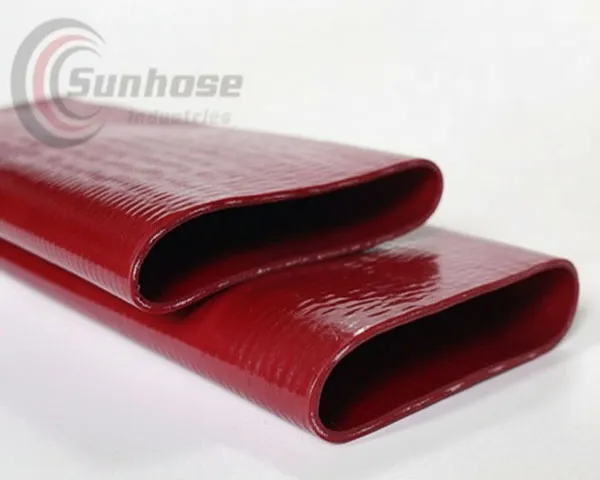
How to Choose a PVC Layflat Hose for Irrigation?
Selecting the right PVC layflat hose for irrigation can make all the difference in achieving efficient water distribution, reducing energy costs, and prolonging your irrigation system’s life. Whether you’re a small-scale gardener or managing large farmland, understanding what makes a hose reliable and suitable is crucial. Let’s dive into everything you need to know to make an informed choice.
Introduction to PVC Layflat Hoses
What Is aPVC Layflat Hose?
A PVC layflat hose is a type of flexible, lightweight water hose made from polyvinyl chloride (PVC) material. It’s designed to lay flat when not in use, making it easy to roll, store, and transport. These hoses are typically used in irrigation systems, water discharge, and pumping applications.
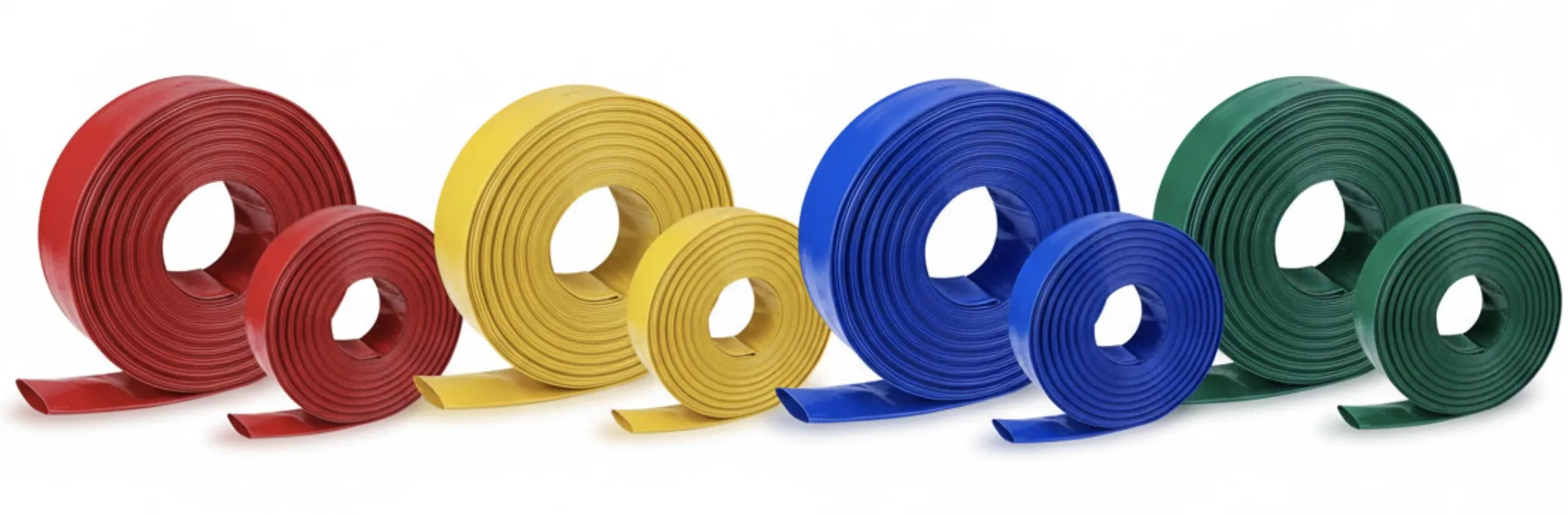 Layflat Discharge Hoses
Why Layflat Hoses Are Ideal for Irrigation Systems
Layflat hoses are particularly suitable for irrigation because they can handle varying water pressures, are UV-resistant, and adapt to uneven terrain. They’re also easy to install, repair, and replace—making them an efficient choice for agricultural operations.
Key Benefits of Using PVC Layflat Hoses in Agriculture
Flexibility and Easy Storage
One of the major advantages of a PVC layflat hose is its space-saving design. When the water flow stops, the hose flattens completely, allowing farmers to store and transport it conveniently.
Durability and UV Resistance
High-quality PVC layflat hoses are designed to resist abrasion, sunlight, and harsh weather conditions. This makes them ideal for long-term outdoor use without cracking or becoming brittle.
Cost-Effectiveness and Maintenance
PVC hoses are more affordable compared to rubber or polyurethane alternatives. Their simple structure and ease of maintenance reduce overall operational costs, making them a cost-efficient irrigation solution.
Factors to Consider When Choosing a PVC Layflat Hose
Choosing the correct hose involves evaluating several key specifications that affect performance and longevity.
1. Hose Diameter and Flow Rate
The diameter determines how much water the hose can carry. For agricultural irrigation, diameters typically range from 1 inch to 8 inches , depending on your system’s water demand.
2. Hose Length and Water Pressure Requirements
Ensure the hose length matches the distance between your water source and the field. Remember: longer hoses often experience pressure loss , so choose accordingly.
3. Material Quality and Reinforcement Layers
Opt for hoses made with high-strength polyester yarn reinforcement. This enhances flexibility while maintaining structural strength under pressure.
4. Working Pressure and Burst Pressure Ratings
Always check the working and burst pressure ratings. A good PVC layflat hose should handle a working pressure of 2–10 bar depending on the application.
5. Compatibility with Fittings and Couplings
Make sure the hose is compatible with your existing irrigation fittings , including camlock couplings, barbed connectors, and valves.
6. Environmental Conditions and UV Exposure
If your hose will be exposed to sunlight for extended periods, select one with UV-stabilized PVC to prevent degradation.
How to Match the Hose with Your Irrigation System
Drip Irrigation vs. Flood Irrigation Requirements
For drip systems, smaller-diameter hoses with moderate pressure ratings work best. In contrast, flood or sprinkler irrigation often requires larger-diameter hoses with higher flow capacity.
Selecting the Right Hose for Pumps and Valves
Match your hose specifications with your pump output. Over-pressuring a hose can lead to premature wear or bursting , while under-pressuring can reduce water distribution efficiency.
Comparing PVC Layflat Hoses with Other Hose Types
PVC vs. Rubber Hoses
PVC hoses are lighter, more flexible, and cheaper than rubber hoses, which are better suited for high-pressure or heavy-duty applications.
PVC vs. Polyurethane (PU) Hoses
While PU hoses offer superior abrasion resistance, PVC hoses remain more budget-friendly and perfectly adequate for general irrigation purposes.
Common Mistakes to Avoid When Buying a PVC Layflat Hose
Ignoring Pressure Ratings: Always ensure the hose can handle your system’s pressure.
Choosing the Wrong Diameter: Undersized hoses restrict flow and reduce irrigation efficiency.
Neglecting UV Protection: Hoses exposed to sunlight degrade faster without UV stabilization.
Maintenance Tips for PVC Layflat Hoses
Cleaning and Storage Best Practices
After use, drain water completely and roll the hose neatly. Store it in a cool, dry place to prevent mold or mildew.
Inspecting for Leaks and Cracks
Regularly check for small punctures or abrasions and repair them immediately using hose repair kits.
Extending the Lifespan of Your Hose
Avoid dragging hoses over rough terrain and keep them away from sharp objects or extreme heat sources.
Top Applications Beyond Irrigation
Construction and Drainage
PVC layflat hoses are widely used for dewatering at construction sites , transferring liquids, and temporary water supply systems.
Mining and Industrial Use
In industrial settings, these hoses efficiently handle slurry, chemicals, and wastewater discharge due to their corrosion-resistant properties.
Recommended Brands and Quality Certifications
When selecting a hose, look for ISO 9001 , RoHS , and REACH certifications.
Reputable brands like SBIC,Sunhose, and GoodYear offer quality-tested hoses designed for long-term use.
FAQs about Choosing a PVC Layflat Hose for Irrigation
Q1: What size PVC layflat hose is best for small farms?
A 2–3 inch hose usually provides sufficient flow for small to medium-scale irrigation systems.
Q2: Can I use a PVC layflat hose with drip irrigation?
Yes, but ensure the pressure rating matches the drip line requirements to prevent bursting.
Q3: How long do PVC layflat hoses last?
With proper care, they can last 5–10 years, depending on environmental exposure and usage frequency.
Q4: Are PVC layflat hoses safe for potable water?
Only use hoses that are certified for potable water use if you’re irrigating edible crops.
Q5: What’s the best way to store layflat hoses in winter?
Drain all water, clean the interior, and store in a frost-free environment.
Q6: How can I tell if my hose is UV-protected?
Check the manufacturer’s specifications—look for UV-resistant labeling or certification.
Conclusion and Expert Recommendations
Choosing the right PVC layflat hose for irrigation depends on understanding your system’s flow rate, pressure, and environmental conditions. Always prioritize quality materials, proper sizing, and reputable certifications. By following these guidelines, you’ll maximize efficiency, minimize water waste, and ensure your irrigation setup performs flawlessly for years.