What is a hose irrigation system?
What is a Hose Irrigation System?
Have you ever looked at your garden and wondered how to keep it lush and green without spending hours holding a watering can? That’s where a hose irrigation system comes in. It’s one of the simplest yet most effective ways to ensure your plants get the right amount of water at the right time.
What is a Hose Irrigation System?
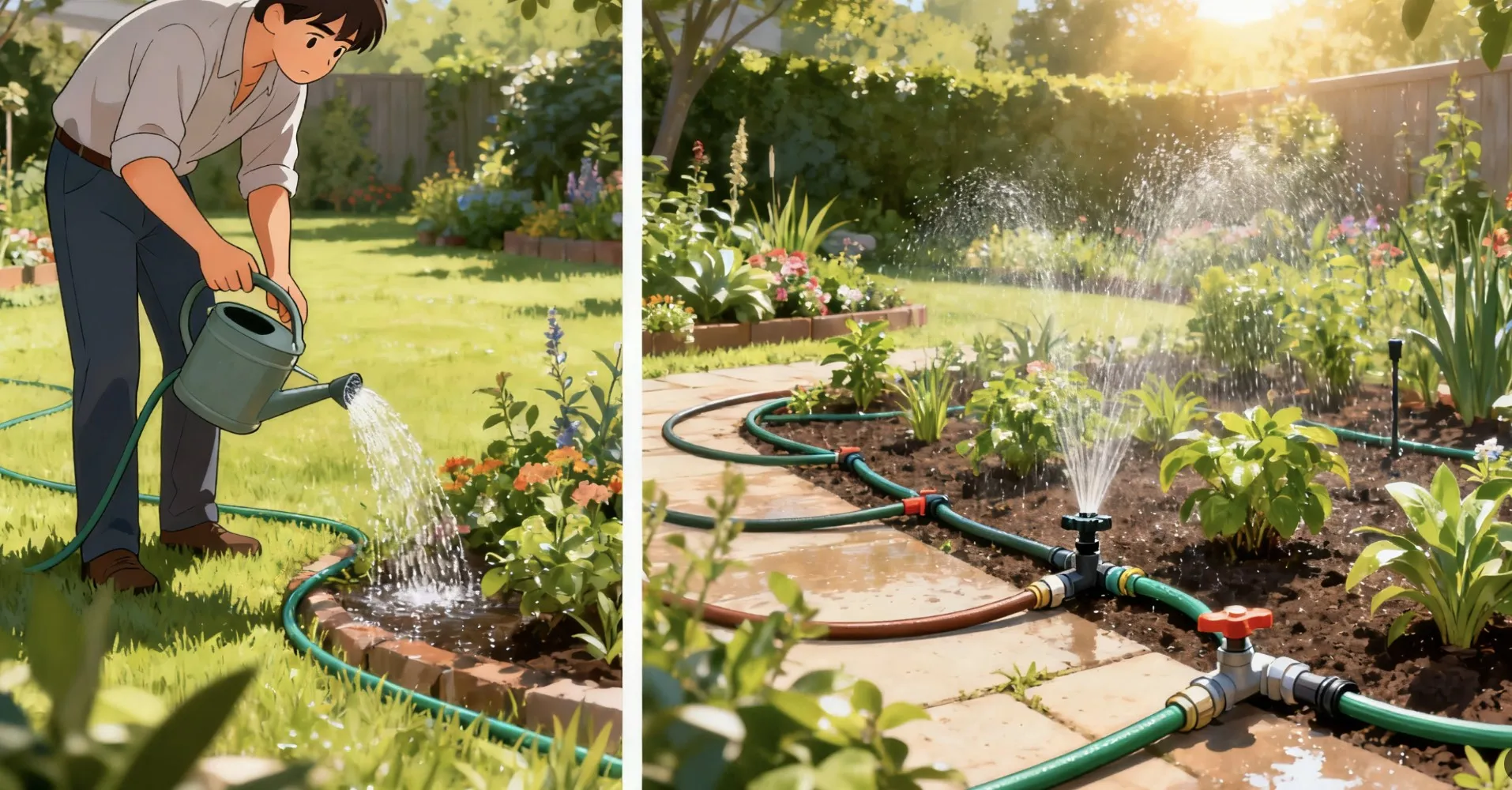
A hose irrigation system is a method of watering plants using hoses designed to deliver water directly to the soil or plant roots. Unlike traditional hand watering, these systems are built for efficiency and convenience, often using special hoses, attachments, or even automated timers.
 Hose Irrigation System
How Does a Hose Irrigation System Work?
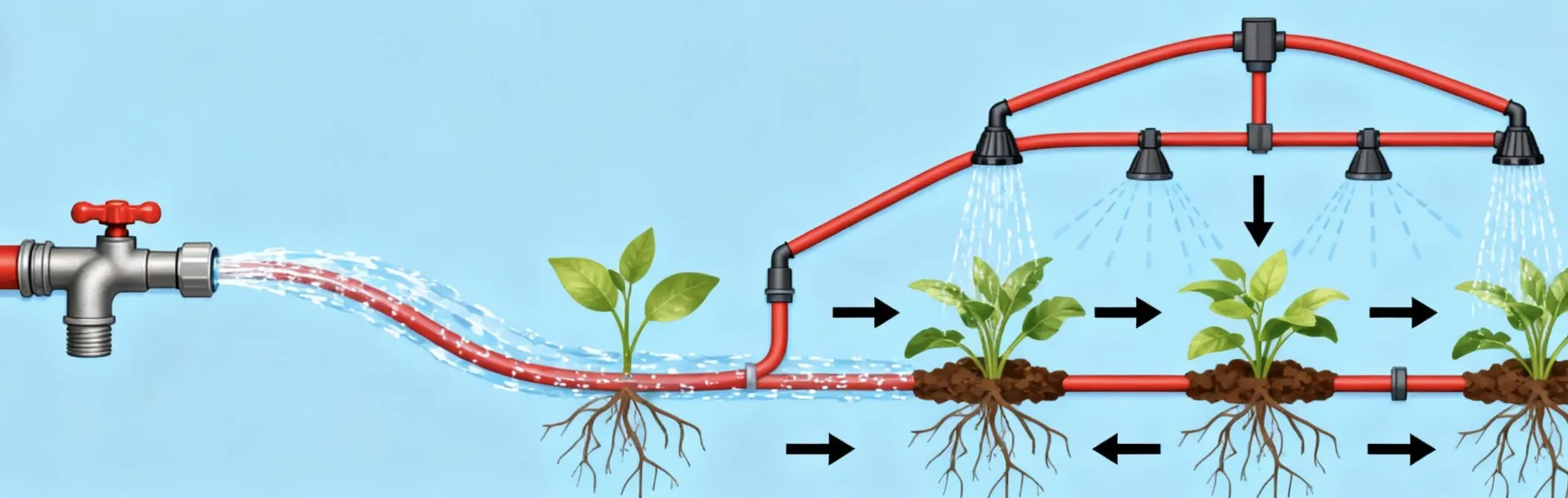
Think of it like veins carrying water through a body. The water flows from a main source (like a tap), travels through hoses, and is then distributed to plants either through tiny holes, sprinklers, or drip emitters. Some systems release water slowly, while others mimic rainfall with spray patterns.
 Hose Irrigation System Work
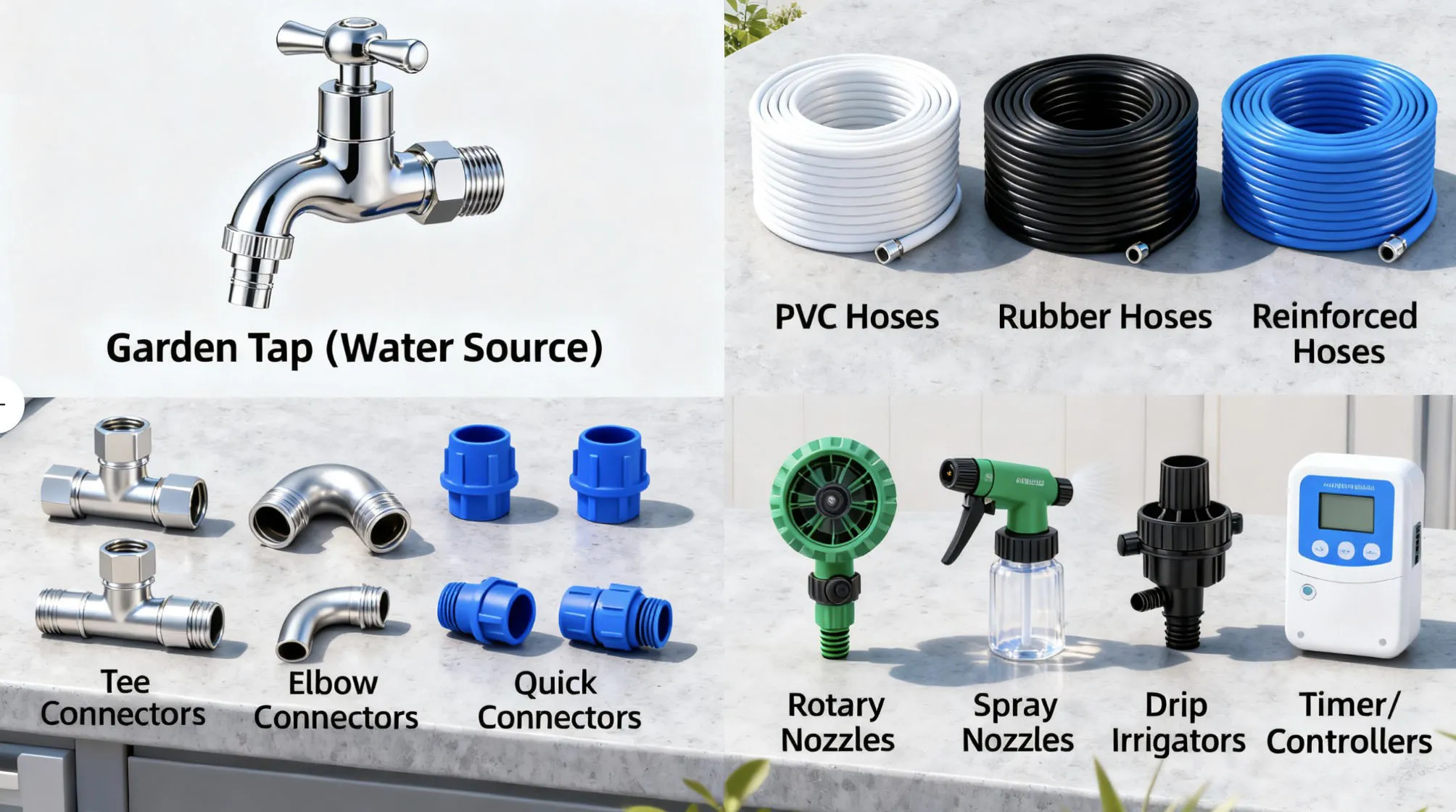
Key Components of a Hose Irrigation System
Water Source: Usually a garden tap or tank.
Hoses: Standard PVC, rubber, or reinforced hoses.
Connectors and Fittings: Keep everything linked securely.
Nozzles & Sprinklers: Spread water in different patterns.
Timers/Controllers: Automate watering schedules.
Types of Hose Irrigation Systems
Soaker Hoses: Porous hoses that “sweat” water directly into the soil.
Drip Irrigation Hoses: Deliver water drop by drop to plant roots.
Sprinkler Hoses: Spray water like rain, ideal for lawns.
Manual vs. Automatic: You can either control it yourself or let a timer do the job.
Advantages of Hose Irrigation Systems
Save water by targeting plant roots.
Cost-friendly compared to large-scale irrigation.
Easy to install without professional help.
Flexible enough for gardens, lawns, and small farms.
Disadvantages of Hose Irrigation Systems
Limited to small or medium-sized areas.
Can get clogged with dirt or minerals.
Hoses may wear out under extreme sun exposure.
Hose Irrigation vs. Traditional Irrigation
Unlike flood irrigation (which wastes water), hose irrigation is precise. Compared to buckets or watering cans, it saves time and effort. While not as advanced as underground drip irrigation, it strikes a perfect balance for homeowners.
Best Uses of Hose Irrigation Systems
Perfect for vegetable gardens, lawns, flowerbeds, greenhouses, and even small orchards.
How to Choose the Right System
Small areas: Drip hoses work best.
Lawns: Go for sprinkler hoses.
Vegetable beds: Soaker hoses are ideal.
Budget-conscious gardeners: Start with a basic manual hose system.
Installation Guide
Plan the hose layout.
Attach hoses to a water source.
Lay hoses around plants or along rows.
Add nozzles or sprinklers if needed.
Test the system and adjust flow.
Maintenance Tips
Flush hoses regularly.
Store them in a cool, dry place.
Inspect for cracks or leaks.
Replace worn-out connectors.
Water-Saving Tips
Use a timer to prevent overwatering.
Water during cooler hours.
Focus on plant roots, not leaves.
Common Problems & Fixes
Low pressure? Check for kinks.
Uneven watering? Adjust hose placement.
Clogs? Flush with clean water.
Future of Hose Irrigation
The future lies in smart irrigation systems that connect to apps, monitor soil moisture, and adjust automatically. Eco-friendly hoses made from recycled materials are also on the rise.
Conclusion
A hose irrigation system is the perfect middle ground between manual watering and expensive irrigation setups. Whether you’re a home gardener or a small-scale farmer, it saves time, conserves water, and keeps your plants thriving with minimal effort.
FAQs
1. What plants benefit most from hose irrigation?
Vegetables, flowers, and shrubs thrive because the water reaches their roots directly.
2. Can I connect multiple hoses together?
Yes, but make sure your water pressure is strong enough to support them.
3. How long should I water with a soaker hose?
Typically 30–60 minutes, depending on soil type and plant needs.
4. Do hose irrigation systems waste water?
No, they’re designed to save water compared to manual or flood irrigation.
5. Is hose irrigation suitable for vegetables?
Absolutely! Soaker and drip hoses are ideal for vegetable gardens.