What Are the Main Differences Between American, German, and British Clamps?
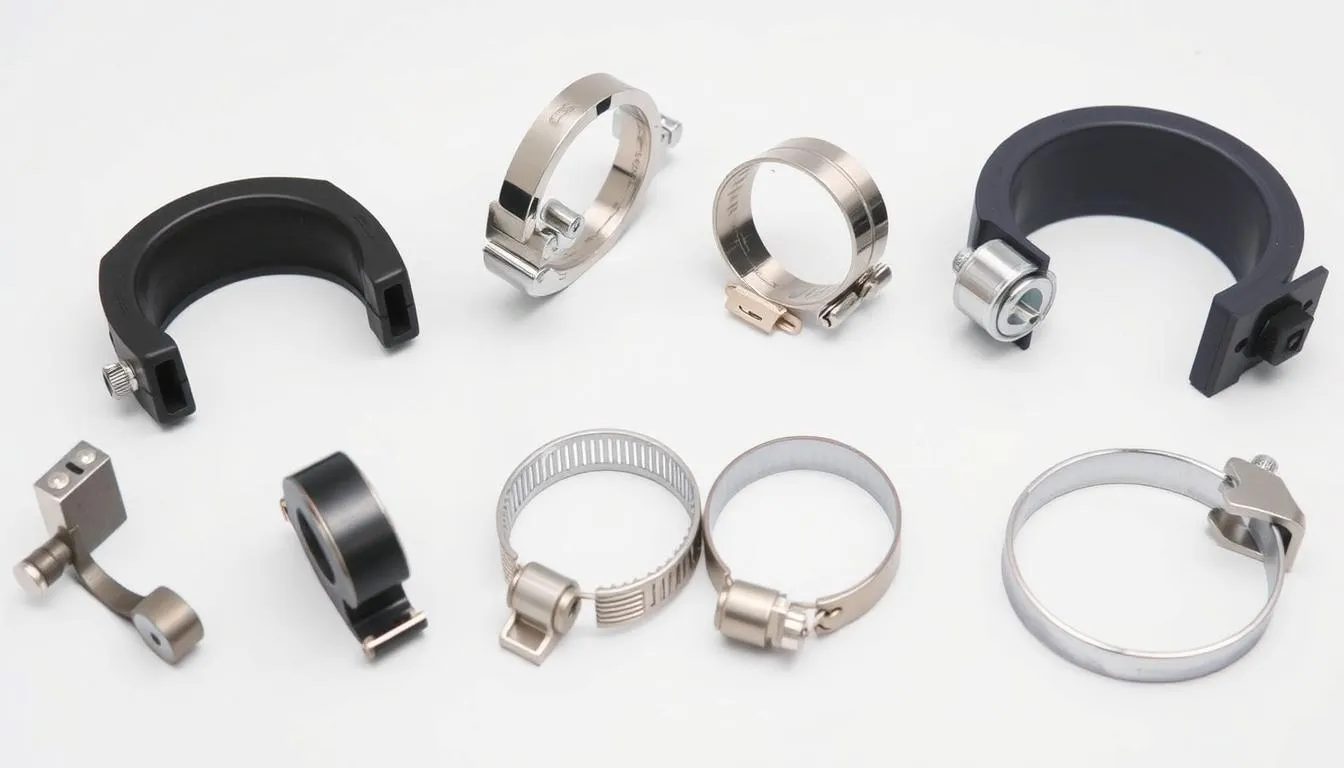
What Are the Main Differences Between American, German, and British Clamps?
Hose clamps are an essential component in many industries, serving to secure hoses, pipes, or tubes in place to prevent leaks and ensure proper fluid flow. While there are many types of hose clamps available, three common styles stand out: American, German, and British clamps. Each of these has distinct features that make them suitable for different applications, industries, and environments. 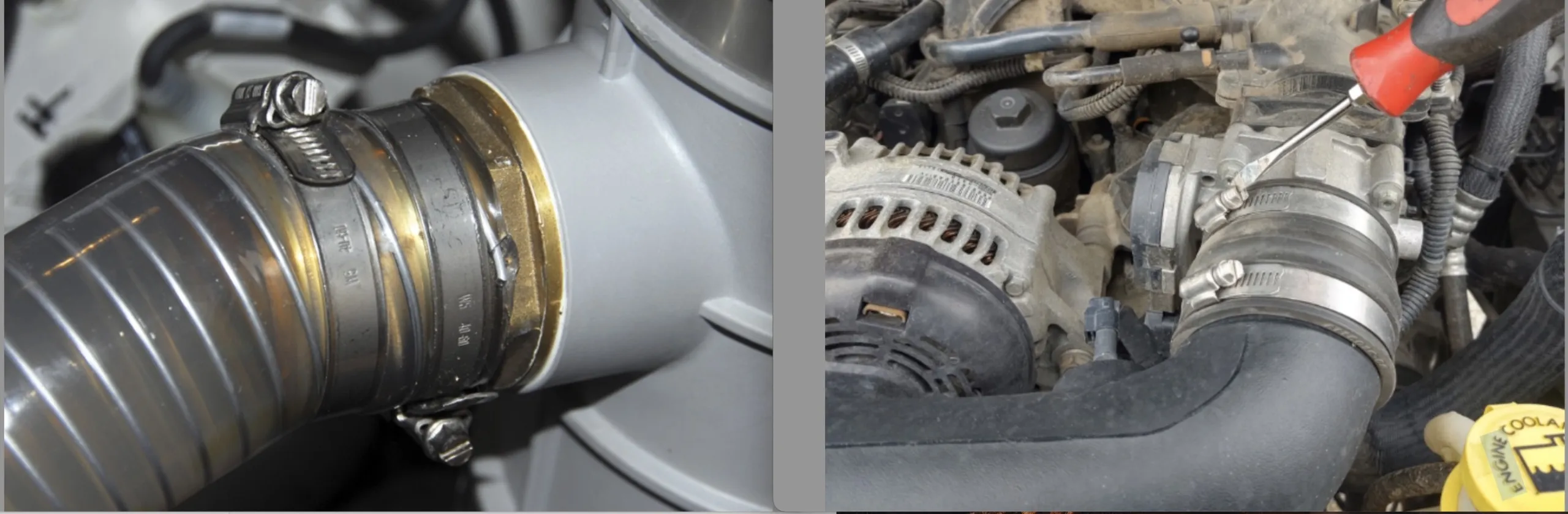 Application of hose clamps
What Is a Hose Clamp?
A hose clamp is a mechanical device used to attach and seal a hose onto a fitting such as a barbed pipe, nozzle, or connector. They are commonly used in automotive, plumbing, and industrial sectors to prevent leaks and ensure that hoses stay securely fastened under pressure. Hose clamps are typically made from metals like stainless steel or galvanized steel, though plastic options are available for specific uses. The basic function of a hose clamp is to tighten around a hose, ensuring a strong and secure connection that prevents leakage.
Types of Hose Clamps
While there are many variations of hose clamps, the three most well-known types are American, German, and British clamps. They differ primarily in their design, materials, and construction, each being optimized for specific tasks or environments.
American Hose Clamps
American hose clamps are typically characterized by their simple, efficient design. They are commonly made from stainless steel and feature a worm-drive mechanism that is tightened using a screw. The screw tightens the clamp evenly around the hose, creating a strong seal. American clamps are often used in automotive and domestic applications due to their affordability and ease of use. 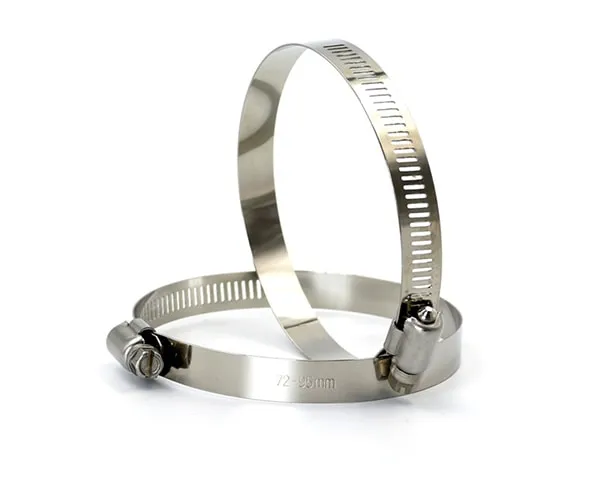 Adjustable American type Duct clamps
Key Features of American Hose Clamps:
- Construction : Primarily made from stainless steel, with a worm-drive mechanism.
- Tightening Mechanism : A screw that drives a band around the hose.
- Adjustability : Available in a wide range of sizes and can be adjusted for a secure fit.
- Common Uses : Automotive, home plumbing, industrial machinery.
German Hose Clamps
German hose clamps are typically more robust and are built with high precision. They are known for their exceptional durability and superior performance in high-pressure and heavy-duty applications. These clamps often feature a design with an inner liner to prevent damage to the hose while providing a tighter seal. 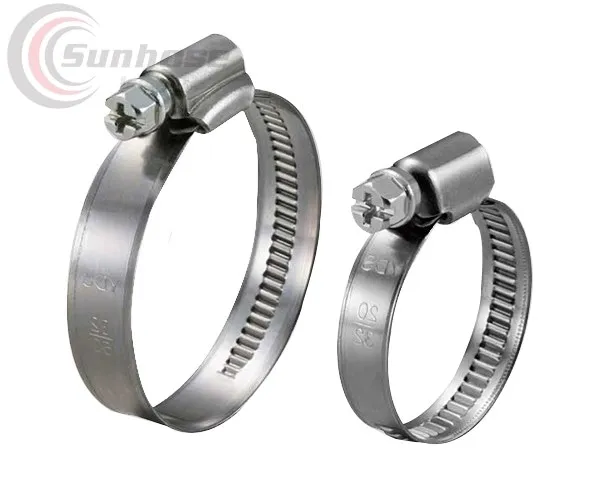 German type hose clamps
Key Features of German Hose Clamps:
- Construction : High-quality stainless steel, often with a smooth interior lining to protect the hose.
- Tightening Mechanism : Similar to the American style but with enhanced locking mechanisms.
- Durability : Built for high-pressure and long-lasting performance.
- Common Uses : Heavy machinery, industrial systems, and high-performance vehicles.
British Hose Clamps
British hose clamps are unique in their design, often featuring a slightly different tightening mechanism. These clamps are known for their versatility and ability to handle both high and low-pressure environments effectively. British clamps often incorporate a smoother, more controlled tightening process that allows for greater precision. 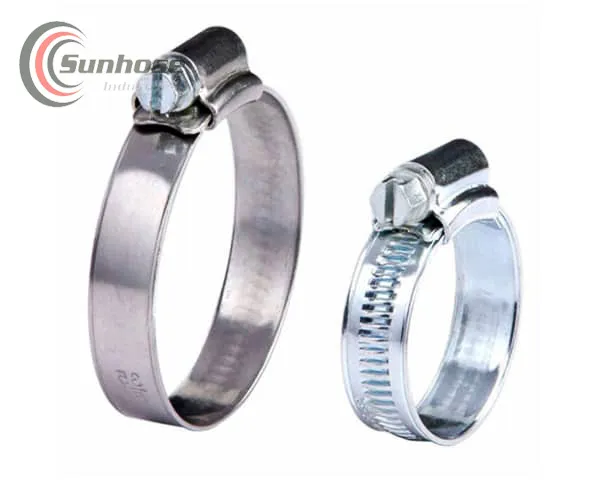 British type hose clamps
Key Features of British Hose Clamps:
- Construction : Stainless steel or mild steel, often with a distinct banding design.
- Tightening Mechanism : Typically uses a bolt and nut system or a similar mechanism.
- Precision : Allows for more precise adjustments, ideal for delicate applications.
- Common Uses : Automotive, aerospace, and specialized industrial applications.
Key Differences Between American, German, and British Clamps
When comparing these three types of clamps, several key differences stand out, including their design, materials, and functionality. Here's a breakdown of these differences:
1. Design
- American Clamps : Simple and easy to use, with a worm-drive mechanism.
- German Clamps : More complex design with a focus on durability, featuring a smooth interior to protect hoses.
- British Clamps : Known for their precise fit and controlled tightening mechanism, suitable for applications requiring accuracy.
2. Materials
- American Clamps : Mostly stainless steel, but can also be found in galvanized steel.
- German Clamps : High-quality stainless steel or other corrosion-resistant materials for superior performance.
- British Clamps : Primarily stainless steel, but mild steel options are available for different applications.
3. Mechanisms and Functionality
- American Clamps : Worm-drive mechanism that allows for easy adjustments.
- German Clamps : Enhanced locking mechanism for tight, durable seals under pressure.
- British Clamps : Bolt and nut systems or other tightening methods for more precise control.
4. Performance and Durability
- American Clamps : Reliable for general use but not designed for extreme conditions.
- German Clamps : Excellent performance in high-pressure and high-stress applications.
- British Clamps : Ideal for precise applications but may not handle extreme pressure as well as German clamps.
How to Choose the Right Hose Clamp
Choosing the right hose clamp depends on several factors, such as the application, pressure requirements, and hose material. Here are some key considerations:
- Pressure Rating : For high-pressure systems, German or British clamps may be more appropriate due to their superior durability.
- Ease of Installation : If you need a quick and easy installation, American clamps are often the most user-friendly.
- Material Compatibility : Consider the material of the hose and ensure the clamp will not cause damage over time.
The Importance of Hose Clamp Selection
The right hose clamp ensures a secure, leak-free connection, preventing potential damage to equipment or the environment. Using the wrong clamp can lead to leaks, hose damage, and even dangerous situations in high-pressure systems.
American Clamps vs. German Clamps
American clamps are typically more affordable and easier to use, making them ideal for DIY projects or applications that don't require heavy-duty performance. German clamps, however, excel in high-performance environments, such as industrial machinery or high-pressure systems, where reliability and durability are critical.
German Clamps vs. British Clamps
German clamps are often better suited for heavy-duty applications, offering superior pressure resistance and long-lasting durability. British clamps, on the other hand, are more precise, making them ideal for industries like aerospace and automotive where tight tolerances are crucial.
American Clamps vs. British Clamps
While American clamps are versatile and budget-friendly, British clamps offer greater precision. If you're working with smaller, more delicate systems, British clamps may provide the accuracy needed to ensure a perfect fit.
The Role of Hose Clamps in Automotive and Industrial Sectors
Hose clamps are used in countless automotive and industrial applications. Whether you're fixing a car radiator or securing piping in a factory, hose clamps ensure the stability of fluid systems and prevent costly repairs from leaks.
Conclusion
In summary, American, German, and British hose clamps each offer unique advantages suited for specific applications. American clamps are practical and cost-effective for general use, German clamps excel in high-pressure environments, and British clamps provide precision and control for specialized tasks. Choosing the right hose clamp for your needs can enhance performance, safety,