
What Is a Lay Flat Hose Used For?
When you picture a hose, you might imagine the classic garden variety. But a lay flat hose is a different beast entirely. Designed to collapse flat when not in use and spring back into shape when water flows through, it’s a workhorse across multiple industries. Let’s explore why this flexible wonder has become the go-to tool for everything from farming to firefighting.
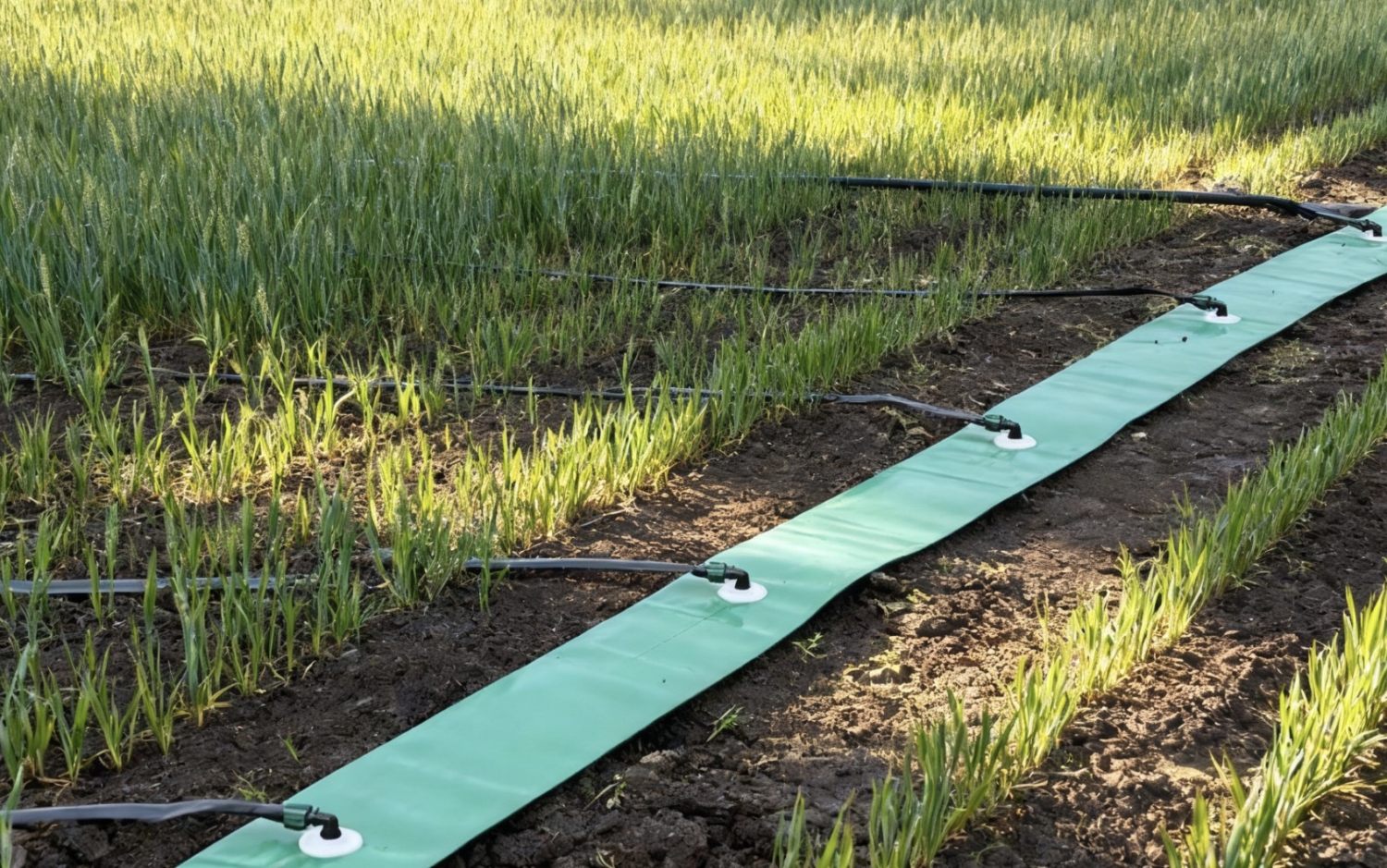
Irrigation Layflat Hose
Understanding the Basics of Lay Flat Hoses
Definition and Design
A lay flat hose is a flexible, collapsible hose designed to transport water and other fluids under pressure. Unlike rigid hoses, it flattens completely when drained, making storage and transport a breeze.
Materials Used in Lay Flat Hoses
Typically made from PVC or rubber, these hoses often have reinforced polyester or textile layers to boost strength and flexibility.
Key Features That Make Them Unique
Their standout traits include lightweight construction, high-pressure resistance, and the ability to handle both clean and dirty fluids.
Common Applications of Lay Flat Hoses
Agriculture and Irrigation
Farmers rely heavily on lay flat hoses to move large volumes of water quickly and efficiently.
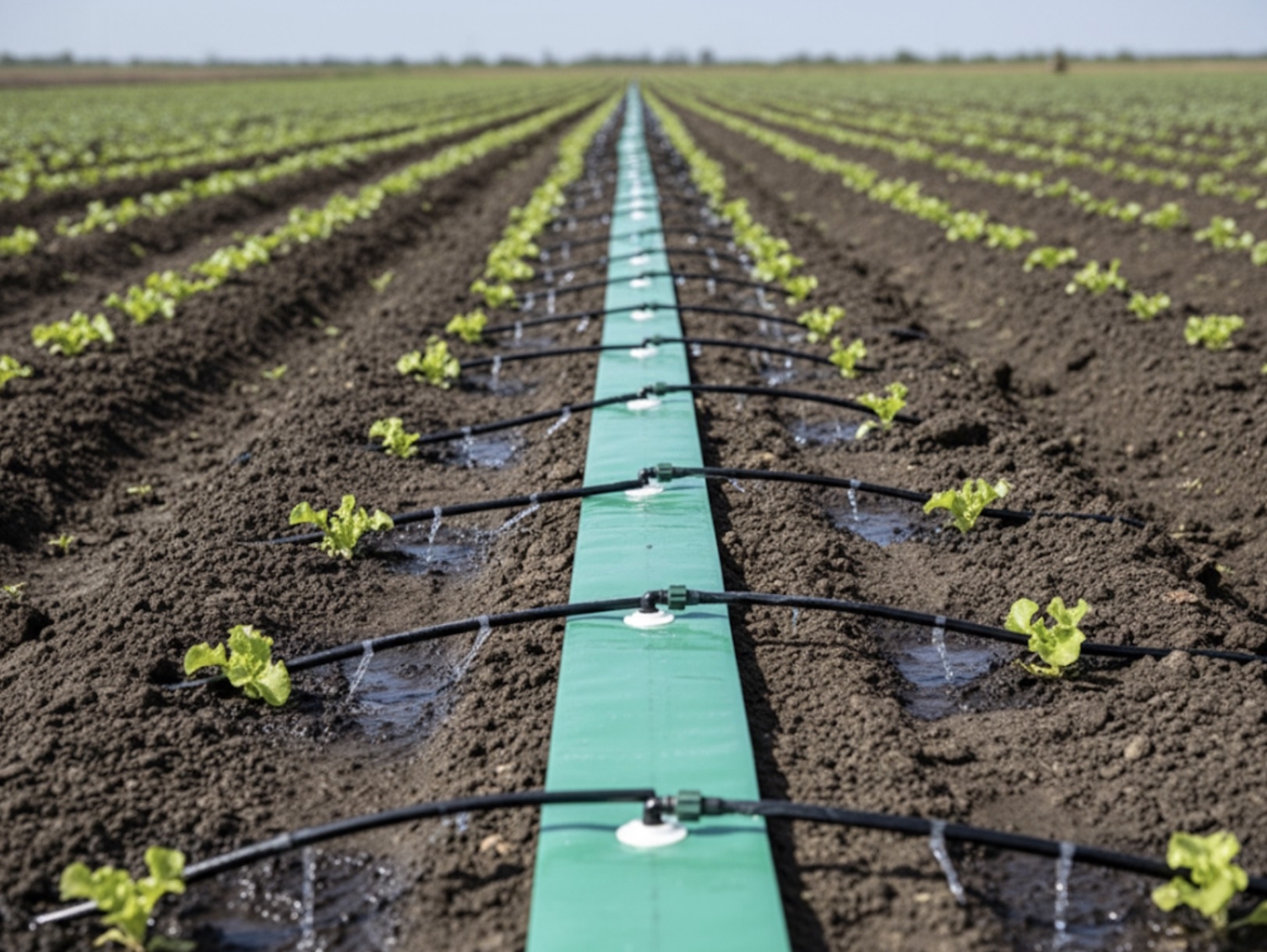
Irrigation layflat hose
Watering Crops Efficiently
They can carry irrigation water over long distances, ensuring crops get the hydration they need.
Temporary Irrigation Lines
When setting up temporary irrigation systems, lay flat hoses are quick to install and just as easy to pack away.
Construction and Industrial Use
On construction sites, water often needs to be moved fast—whether it’s rainwater pooling in trenches or water for mixing concrete.
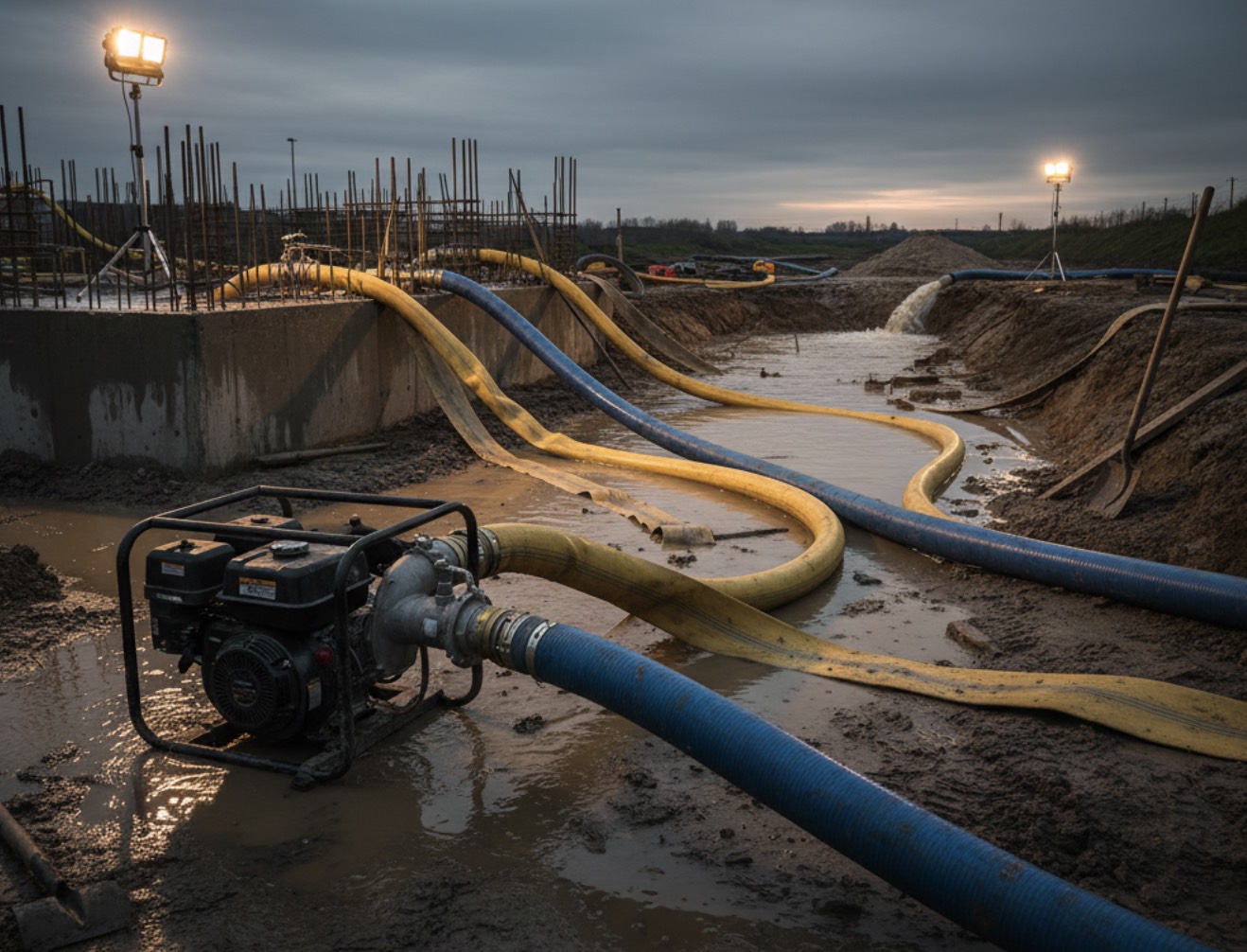
Layflat hose for industrial construction
Pumping Water from Construction Sites
Lay flat hoses handle high-volume pumping jobs with ease, keeping work areas dry.
Handling Slurry and Wastewater
From slurry to wastewater, these hoses stand up to tough industrial fluids.
Mining and Dewatering
Mining operations often face flooding challenges. Lay flat hoses are perfect for dewatering, thanks to their high-pressure capacity.
Firefighting and Emergency Services
Firefighters depend on lay flat hoses for their ability to deliver large volumes of water rapidly while being lightweight for quick deployment.

Layflat hose for Firefighting and Emergency
Domestic and Garden Uses
Homeowners use smaller versions for garden watering or temporary water transfer, especially where flexibility and storage are key.
Advantages of Using Lay Flat Hoses
Lightweight and Easy to Transport
Unlike heavy rigid pipes, lay flat hoses can be rolled up and carried by a single person.
Space-Saving Storage
Once drained, they flatten completely, saving valuable storage space.
High Durability and Flexibility
Engineered to handle tough conditions, these hoses withstand heavy use and extreme weather.
Choosing the Right Lay Flat Hose
Diameter and Pressure Ratings
Pick a diameter that matches your water flow needs. Higher-pressure tasks require hoses with reinforced walls.
Material Options: PVC vs Rubber
PVC hoses are light and economical, while rubber hoses offer more durability for industrial use.
Length and Fittings
Consider the required hose length and ensure you have the correct fittings for your pump or water source.
How to Maintain a Lay Flat Hose
Cleaning After Use
Rinse out mud and debris to prevent clogging and damage.
Storing Properly to Extend Lifespan
Roll the hose and keep it in a dry, shaded place to avoid UV damage.
Regular Inspection and Repairs
Check for leaks or weak spots and repair small damages before they worsen.
Tips for Using Lay Flat Hoses Effectively
Preventing Kinks and Damage
Always unroll the hose fully to avoid kinks that can restrict water flow.
Ensuring Proper Coupling Connections
Make sure couplings are tight to prevent leaks or blowouts under pressure.
Comparing Lay Flat Hoses to Other Hose Types
Lay Flat vs Standard Garden Hose
Garden hoses are great for small tasks, but lay flat hoses handle much higher water volumes and pressure.
Lay Flat vs Hard Suction Hose
Hard suction hoses are rigid and heavy, making lay flat hoses the more portable choice.
Safety Considerations
Pressure Handling Precautions
Never exceed the hose’s rated pressure to prevent bursting.
Avoiding Chemical Damage
Check compatibility if transferring chemicals or corrosive fluids.
Cost and Value
Factors Affecting Price
Material, diameter, and reinforcement levels determine the cost.
Long-Term Savings
Although sometimes more expensive upfront, their long lifespan makes them cost-effective.
Environmental Impact
Reusability and Sustainability
Durable hoses reduce waste, making them a more eco-friendly choice.
Eco-Friendly Materials
Some modern hoses use materials designed for minimal environmental impact.
Future of Lay Flat Hose Technology
Innovative Materials
Manufacturers are experimenting with lighter, stronger materials for improved performance.
Smart Hose Solutions
Expect to see integrated sensors that monitor pressure and flow in real time.
Conclusion
A lay flat hose is far more than a simple water conduit—it’s a versatile, durable tool used in agriculture, construction, mining, firefighting, and even home gardening. Its space-saving design and rugged build make it a favorite across industries where efficiency and flexibility matter most.
“Looking for a reliable layflat hose supplier?
Contact Sunhose for specs, pricing, and samples.
| MOQ 1,000kg | 25+ years experience”
FAQs
1. Can lay flat hoses handle hot water?
Yes, but always check the manufacturer’s temperature rating to avoid damage.
2. How long can a lay flat hose last?
With proper maintenance, a quality hose can last several years.
3. Are lay flat hoses suitable for drinking water?
Only if labeled as food-grade or potable water safe.
4. Can they be repaired if punctured?
Small punctures can often be patched using hose repair kits.
5. What sizes do lay flat hoses come in?
They range from small garden sizes (1 inch) to large industrial sizes (16 inches or more).
 Like Us on Facebook
 Follow Us on Twitter
 Follow Us on Instagram
 Follow Us on Linkedin
 sunhose
 sunhose