
🔧 Introduction
When it comes to industrial operations, hoses play a silent yet powerful role. Whether it’s transferring chemicals, moving air or steam, or handling abrasive materials—industrial hoses are the unsung heroes of every facility. Without them, everything from heavy construction to food production would come to a standstill.

Types of Industrial Hoses
So, what exactly are industrial hoses? Simply put, they’re flexible pipes designed to transfer materials—liquids, gases, solids, or combinations—from one location to another. But not all hoses are created equal. Let’s dive into the different types you need to know.
💨 Air Hoses
Common Uses
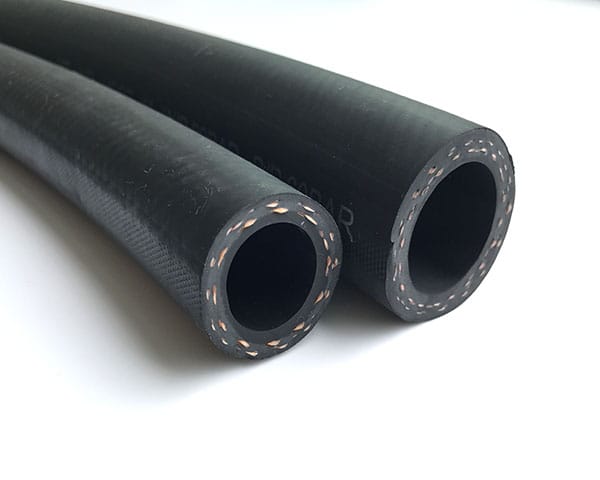
Air hoses are used to power pneumatic tools, inflate tires, and carry compressed air to various machines.
Material Composition
Usually made from rubber, PVC, or a hybrid polymer, these hoses need to be flexible and tough.
Pressure Ratings
They’re rated to withstand high-pressure air output, perfect for use in automotive shops and construction zones.
💦 Water Hoses
Applications in Industrial and Agricultural Settings
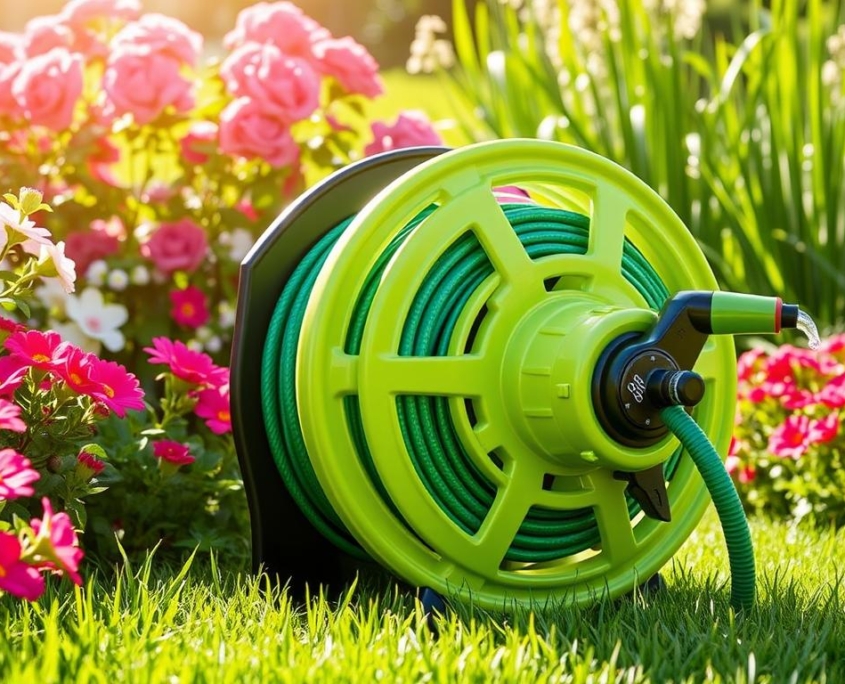
From washing equipment to irrigating crops, industrial water hoses handle high volumes and pressure with ease.
Material Durability
These hoses are typically built from reinforced rubber or synthetic blends for longevity and kink resistance.
🧪 Chemical Hoses
Safety Features
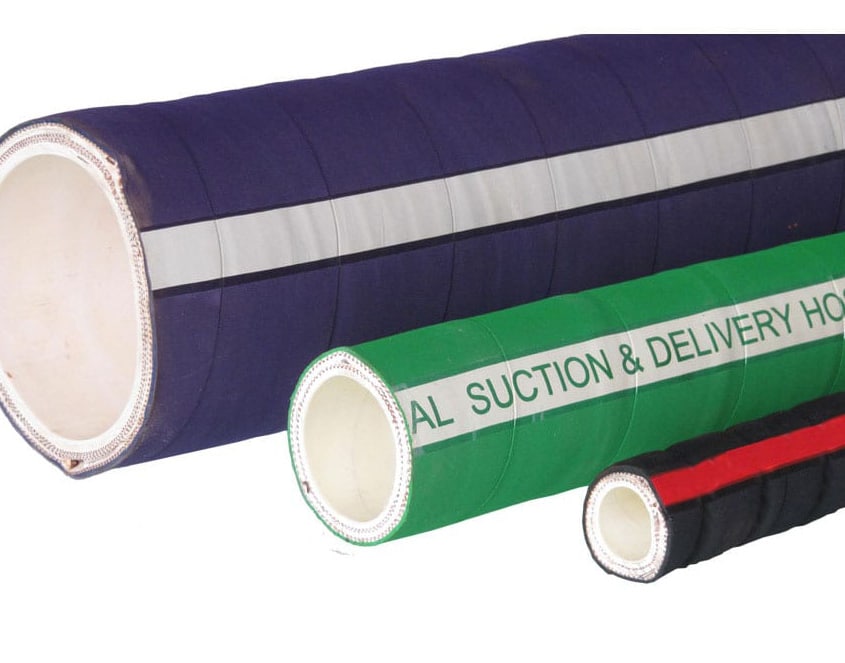
These hoses are all about chemical compatibility. They’re reinforced to resist aggressive chemicals and prevent leaks.
Chemical Suction Hoses
Chemical Resistance Levels
Materials like EPDM, PTFE, and UHMWPE give them a wide range of resistance against acids, solvents, and more.
Industry-Specific Uses
Used heavily in pharmaceutical plants, chemical factories, and labs.
🔥 Steam Hoses
Heat and Pressure Tolerance
Designed to handle extreme heat and pressure, steam hoses are used for cleaning, heating, and sterilizing processes.
Insulation Materials
They often include textile or wire reinforcements to manage the intense steam conditions without degrading.
⛽ Fuel and Oil Hoses
Construction and Design
These are heavy-duty hoses built to carry petroleum products like gasoline, diesel, and crude oil.
Anti-Static Properties
Grounding wires and anti-static linings help prevent dangerous sparks.
🍔 Food Grade Hoses
FDA Compliance
Made with non-toxic, food-safe materials like silicone or thermoplastic rubber.
Use in Beverage and Dairy Industry
Commonly used in breweries, dairy farms, and bottling plants. They’re tasteless, odorless, and super easy to clean.
📦 Material Handling Hoses
Abrasion Resistance
Think sand, gravel, and grains—these hoses are tough, with reinforced inner linings to resist wear and tear.
Bulk Material Transfer
Used in industries like mining, cement production, and agriculture.
🌬️ Ducting and Ventilation Hoses
Flexibility and Lightweight Design
Flexible and collapsible, perfect for moving air, dust, or fumes in tight spaces.
Industrial Ventilation Uses
Essential in HVAC systems, factories, and even welding stations.
⚓ Marine Hoses
Saltwater Resistance
These hoses stand up to corrosion and harsh environments, making them ideal for saltwater exposure.
Applications on Ships and Docks
Used for bilge pumping, fuel transfers, and freshwater systems on boats.
🔩 Hydraulic Hoses
High-Pressure Applications
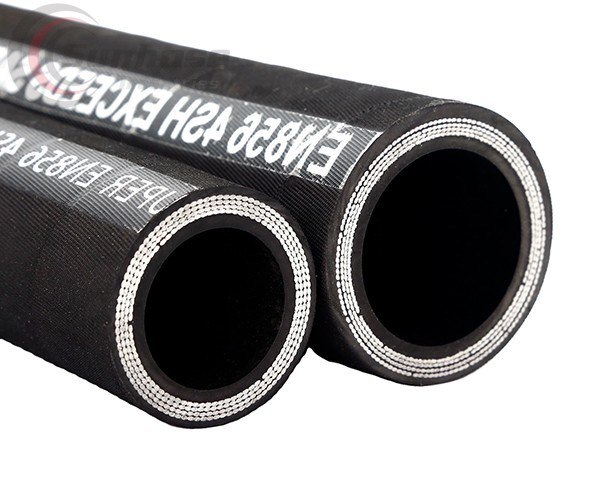
Made for extreme pressure situations, like lifting and moving heavy machinery.
Hydraulic Hose 4SH
Hose Fittings and Connections
Usually have steel-braided reinforcements and require special couplings.
🧱 Concrete Pumping Hoses
Heavy-Duty Performance
These hoses transport wet concrete—thick, heavy, and abrasive stuff—right where it’s needed.
Construction Applications
Vital on large-scale construction sites, high-rises, and roadwork.
🔥 Welding Hoses
Gas Compatibility
These hoses carry oxygen, acetylene, or propane to welding torches safely.

twin welding hoses
Flame Retardant Materials
They’re built tough to resist fire, UV rays, and kinking.
🧠 Selecting the Right Industrial Hose
Factors to Consider
-
Type of material being transported
-
Temperature and pressure conditions
-
Chemical compatibility
-
Hose length and diameter
Application Fit and Cost-Effectiveness
Choosing the wrong hose can lead to breakdowns, safety risks, and higher replacement costs. Do your research or talk to a pro.
🧽 Maintenance Tips for Industrial Hoses
-
Regular Inspections: Check for cracks, wear, or bulging
-
Clean Properly: Especially if switching materials
-
Proper Storage: Avoid UV exposure and moisture buildup
-
Replace When Needed: Don’t wait for a leak to take action
📝 Conclusion
Industrial hoses might not be the flashiest tools in the toolkit, but they sure are some of the most important. Whether you’re pumping steam, transferring fuel, or transporting food, the right hose makes all the difference. Choosing wisely—and maintaining well—can save you a lot of headaches down the road.
So next time you’re shopping for a hose, remember: it’s not just a tube. It’s a lifeline for your operation.
❓ FAQs
1. What is the most durable industrial hose?
Hydraulic and material handling hoses are among the most durable, especially those reinforced with steel or multi-layer composites.
2. Can you use one hose for multiple applications?
It’s not recommended. Each hose is tailored for a specific type of material and condition. Using the wrong one can be dangerous.
3. How often should industrial hoses be replaced?
Depends on usage, but regular inspections should be done quarterly. Most hoses last 1–5 years under normal conditions.
4. What safety standards should hoses meet?
Look for compliance with ISO, SAE, FDA (for food), or other industry-specific certifications.
5. Are custom industrial hoses worth it?
 Like Us on Facebook
 Follow Us on Twitter
 Follow Us on Instagram
 Follow Us on Linkedin
 Sunhose
 sunhose