
Comprehensive Analysis of Industrial Hose Challenges in Extreme Environments
Industrial hoses, essential for fluid transfer in sectors like agriculture, manufacturing, and construction, are often subjected to extreme conditions. These include high and low temperatures, high pressure, chemical exposure, abrasive environments, and weather-related challenges. Each condition poses unique risks to hose integrity, potentially leading to failures that disrupt operations and pose safety hazards. Sunhose, with its range of hoses designed for diverse applications, offers solutions that can mitigate these risks, as seen in their product lineup at .
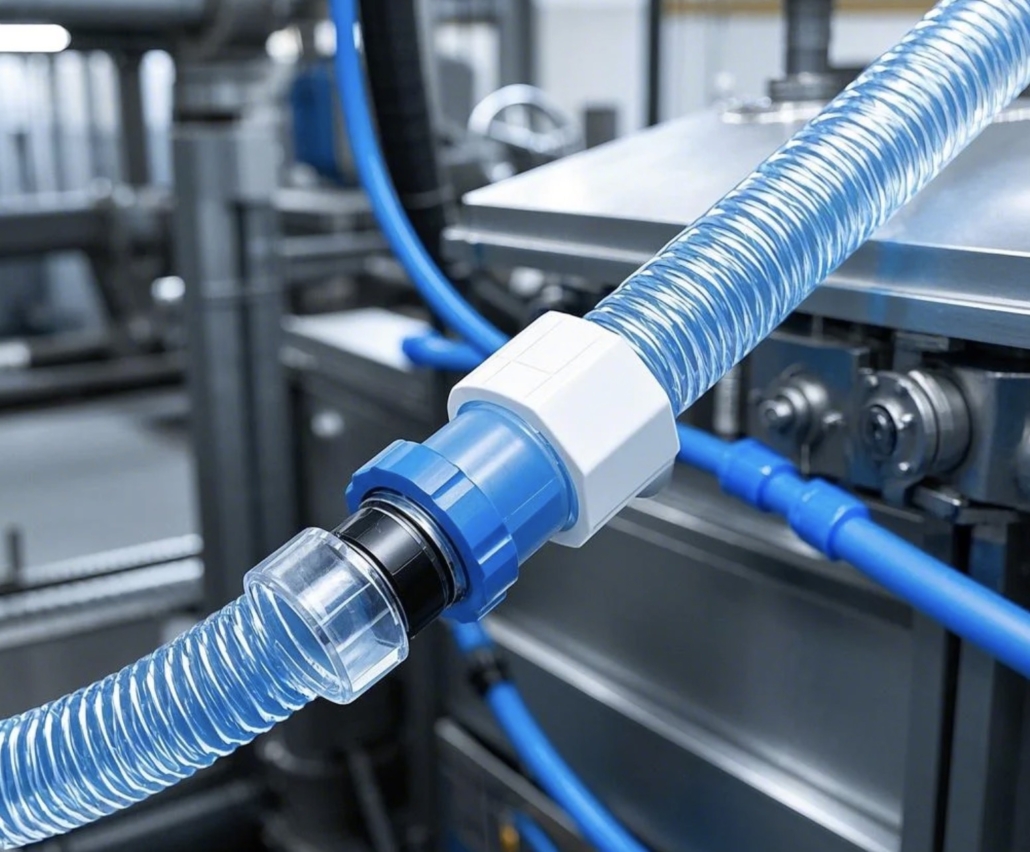
flexible hose for machine
Detailed Analysis of Common Problems and Solutions
High Temperature Environments
Problems:
-
Research indicates that high temperatures can cause deterioration of hose materials, leading to leaks or complete failure. This is particularly evident in environments like foundries or near engines, where temperatures can exceed standard hose tolerances.
-
Hose expansion due to heat can cause stress, potentially leading to structural damage if not accounted for during installation.
-
The evidence leans toward increased risk of failure as materials weaken, with studies showing accelerated chemical reactions like oxidation in rubber hoses, as noted in How Extreme Heat Impacts Hydraulic Hose Performance.
Solutions:
-
It seems likely that using hoses made from high-temperature-resistant materials, such as silicone or EPDM, can mitigate these issues. For instance, HiTemp EPDM Industrial Rubber Water Hoses are rated up to 250°F, suitable for such conditions.
-
Proper installation, accounting for expansion, is crucial.
-
Regular inspection and maintenance, including checks for cracks or hardening, are recommended to prevent unexpected failures.
Sunhose’s offerings, such as their high-pressure PVC spray hoses, may be evaluated for heat resistance, ensuring suitability for such applications.
Low Temperature Environments
Problems:
-
Low temperatures can make hoses stiff or brittle, increasing the risk of cracking or failure, especially in cold storage or arctic conditions.
-
Reduced flexibility can affect usability, with hoses potentially becoming unusable in sub-zero conditions.
-
The potential for fluid inside the hose to freeze, causing blockages or damage, is a significant concern.
Solutions:
-
Research suggests using hoses specifically designed for low temperatures, such as those with special rubber compounds or silicone, which remain flexible down to -70°F.
-
Proper insulation or heating, such as adding insulation layers, can maintain suitable temperatures, as recommended in the same source.
-
Selecting fluids with low freezing points is advised to prevent blockages.
Sunhose’s PVC spiral suction hoses, used in agriculture, may benefit from such considerations for cold weather transfers.
High Pressure Environments
Problems:
-
High pressure can lead to hose bursts or failures if the pressure rating is exceeded, posing risks of injury and equipment damage.
-
Increased risk of leakage or fitting failure is common, with improper use potentially causing blisters.
-
The potential for the hose to whip if it fails, causing injury or damage, is a significant safety concern.
Solutions:
-
It seems likely that selecting hoses with appropriate pressure ratings, such as those meeting industry standards.
-
Proper installation and maintenance, including avoiding kinks and ensuring correct bend radius, can prevent damage.
-
Using safety devices like burst containment sleeves or whip restraint systems can mitigate risks, as recommended in the same source.
Sunhose’s high-pressure PVC spray hoses are designed for such applications, potentially offering solutions for chemical and water transfer under pressure.
Chemical Exposure Environments
Problems:
-
Chemical exposure can cause degradation or corrosion of hose materials, leading to leaks or failure.
-
Contamination of the fluid being transferred is a risk, potentially affecting process integrity.
-
Safety hazards for workers and the environment arise from chemical leaks.
Solutions:
-
The evidence leans toward using hoses made from chemically resistant materials like EPDM, PTFE, or UHMW polyethylene.
-
Ensuring the hose is compatible with the specific chemical, using compatibility charts, is crucial.
-
Regular inspection and replacement of hoses showing signs of chemical damage are recommended to prevent failures.
Sunhose’s high-pressure PVC spray hoses, used for chemicals, herbicides, and pesticides, are relevant here, ensuring safe transfer in such environments.
Abrasive Conditions
Problems:
-
Abrasive conditions can cause wear and tear on the hose’s outer cover, exposing reinforcement layers.
-
Reduced lifespan due to constant friction is a significant concern, with abrasion accounting for 80% of hydraulic hose failures.
-
The potential for the hose to burst if the reinforcement is compromised is a safety risk.
Solutions:
-
It seems likely that using hoses with robust outer covers or additional protective layers can mitigate wear.
-
Proper routing to minimize contact with abrasive surfaces, such as avoiding metal edges, is recommended.
-
Regular inspection and replacement of worn hoses are essential to prevent catastrophic failures.
Sunhose’s layflat hoses, used in agriculture, may face abrasive conditions during irrigation, benefiting from such protective measures.
Weather Exposure
Problems:
-
Weather exposure, particularly UV rays, can cause deterioration, leading to cracking or hardening.
-
Damage from extreme temperatures, both high and low, can affect hose performance.
-
Moisture-related issues, such as mold or freezing, can occur, especially in outdoor settings.
Solutions:
-
Research suggests using hoses with UV-resistant covers to prevent cracking with EPDM noted for UV resistance.
-
Proper storage, away from direct sunlight and extreme cold, is crucial.
-
Selecting hoses that can handle temperature extremes, such as those tested for cold flexibility.
Sunhose’s PVC garden hoses, used outdoors, would benefit from UV-resistant options to ensure longevity in weather-exposed conditions.
General Maintenance and Selection Strategies
To enhance hose longevity, the following maintenance tips are recommended:
-
Regular Inspection: Check for signs of wear, damage, or deterioration.
-
Proper Storage: Store in cool, dry conditions, away from sunlight.
-
Correct Handling: Avoid dragging over rough surfaces to prevent abrasion.
-
Appropriate Cleaning: Clean regularly to remove dirt and chemicals.
-
Replacement: Replace hoses showing significant damage to prevent failures.
Selecting the right hose involves considering the STAMPED acronym (Size, Temperature, Application, Material, Pressure, Ends, Delivery), as noted in Hydraulic Hose Basics: Types, Laylines, and Pressure Ratings. Sunhose’s product range, accessible at , includes options like layflat hoses for irrigation and high-pressure spray hoses for chemical transfer, catering to these needs.
Conclusion and Recommendations
Understanding and addressing the challenges of extreme environments is crucial for industrial hose reliability. By implementing the solutions outlined, such as using specialized materials and regular maintenance, businesses can enhance safety and reduce downtime. Sunhose’s offerings, designed for various applications, provide a robust foundation for meeting these challenges. For further assistance, contact Sunhose at to ensure you select the ideal hose for your specific needs.
Table: Summary of Hose Problems and Solutions by Environment
| Environment | Common Problems | Solutions |
|---|---|---|
| High Temperature | Material degradation, expansion, failure | Use heat-resistant materials, proper installation, inspect regularly |
| Low Temperature | Stiffness, brittleness, freezing | Use low-temp hoses, insulate, use low-freezing fluids |
| High Pressure | Bursting, leakage, whipping | Select correct pressure rating, maintain, use safety devices |
| Chemical Exposure | Corrosion, leaks, contamination | Use chemically resistant materials, ensure compatibility, inspect |
| Abrasive Conditions | Wear, reduced lifespan, bursting | Use robust covers, route carefully, inspect regularly |
| Weather Exposure | UV damage, temperature effects, moisture issues | Use UV-resistant covers, store properly, select temp-tolerant hoses |
This table summarizes the key findings, aiding in quick reference for hose selection and maintenance strategies.
 Like Us on Facebook
 Follow Us on Twitter
 Follow Us on Instagram
 Follow Us on Linkedin
 sunhose
 Sunhose