The Best Layflat Hose for Agricultural Irrigation
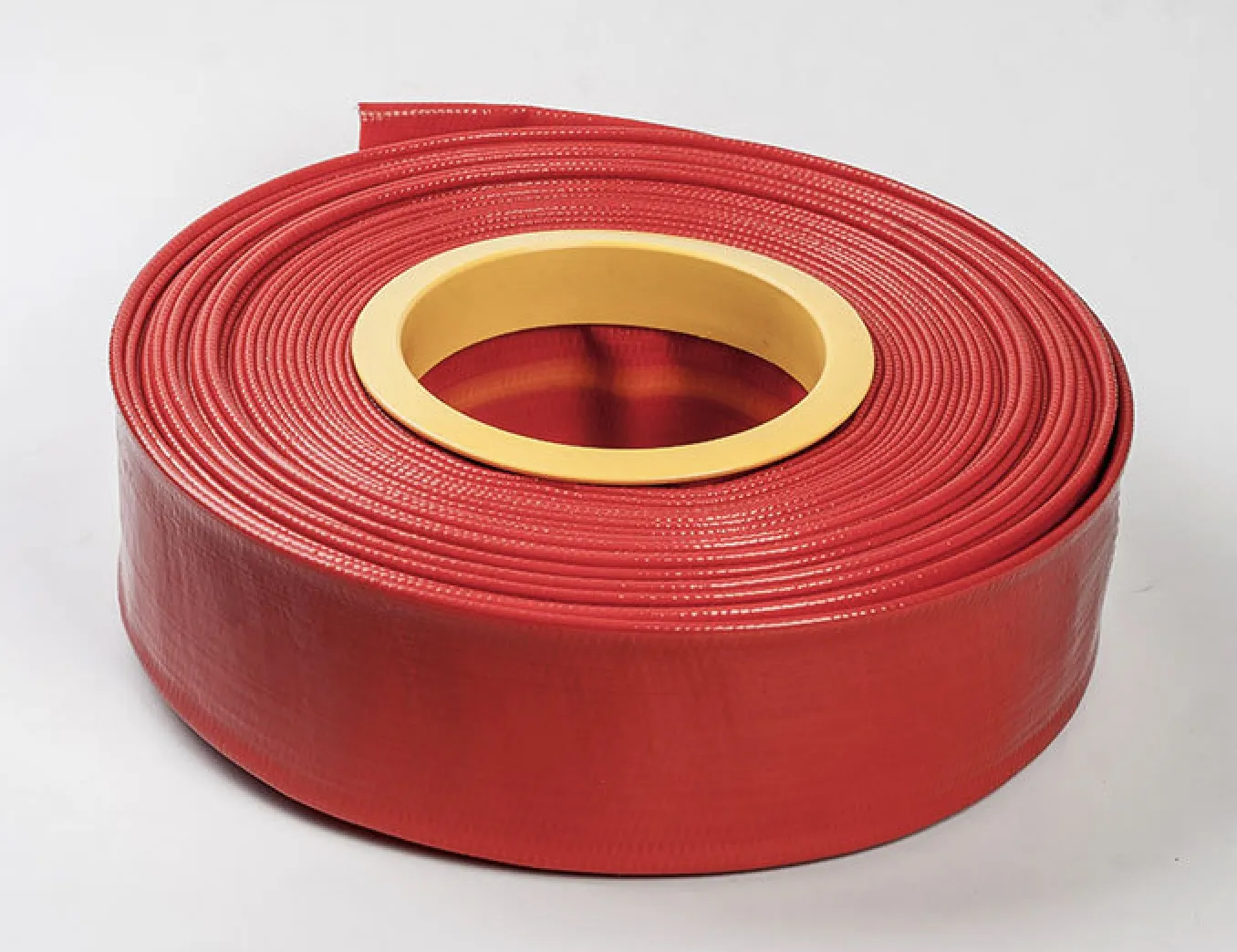
7 Key Metrics for Choosing the Best Layflat Hose for Agricultural Irrigation
Introduction
Choosing the right Layflat Hose for your farm’s irrigation system can feel like navigating a maze. There’s a flood of options, each with flashy promises — but how do you know which one is truly right for your land? In this guide, we’re breaking it all down: 7 essential metrics every farmer needs to understand to make the best purchase.
Ready to save time, money, and headaches? Let’s dive in!
Understanding Layflat Hose Materials
PVC Layflat Hose
PVC (polyvinyl chloride) Layflat hoses are the most common on farms. They’re lightweight, flexible, and generally more affordable.
Pros:
Easy to roll and store.
Resistant to many chemicals.
Budget-friendly.
Cons:
Less durable under extreme heat or UV.
More prone to cracking over time.
Rubber Layflat Hose
Rubber Layflat hoses are the heavy-duty champs. They’re thicker, more robust, and can handle higher pressures.
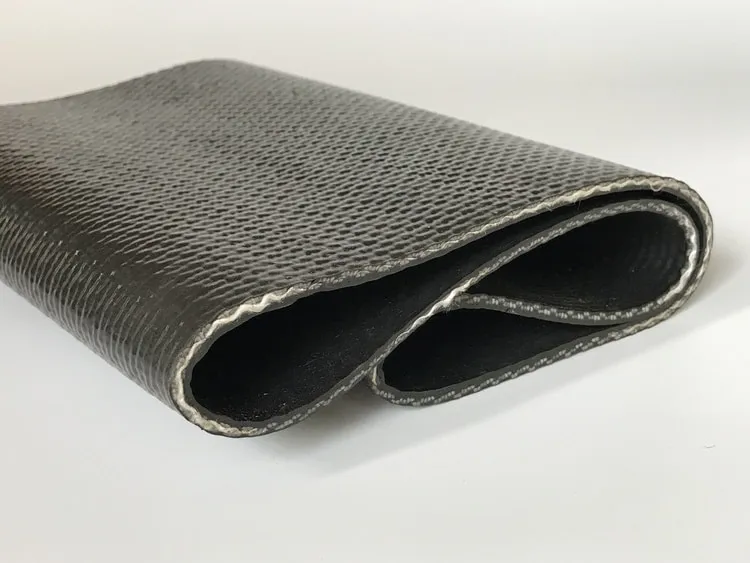 Rubber Layflat Hose
Pros:
Superior flexibility, even in cold.
Longer lifespan.
Better resistance to abrasion.
Cons:
Heavier and harder to move.
Higher upfront cost.
👉 Quick Tip: If you’re looking for something that lasts years, rubber is usually worth the investment.
Pressure Ratings: What You Need to Know
Understanding PSI Ratings/Bar/MPa
Layflat hoses come with a pressure rating measured in PSI (pounds per square inch). This tells you how much pressure the hose can handle without bursting.
Matching Pressure Needs to Your System
If your irrigation pump delivers high pressure, you’ll need a hose rated above that pressure. Always choose a hose with at least 20% higher PSI/Bar/MPa than your system’s peak to stay safe.
UV Resistance: Standing Up to the Sun
Why UV Resistance Matters
Your hose will spend countless hours under the blazing sun. Without UV resistance, it can become brittle and crack — reducing lifespan dramatically.
How to Check UV Ratings
Look for hoses labeled “UV-stabilized” or “UV-resistant.” These are designed to resist sun damage, ensuring they last several seasons without degrading.
Temperature Range: Handling Extreme Conditions
Operating in Hot Climates
If you’re farming in scorching regions, you need a hose that won’t soften or lose shape under heat. Check the maximum operating temperature on the specs — some PVC hoses struggle past 50°C, while rubber can handle more.
Operating in Cold Climates
Cold snaps can make hoses stiff or even cause cracking. Rubber again shines here, staying flexible even below freezing. PVC hoses may require special storage to avoid damage.
Abrasion Resistance: Surviving Tough Farm Conditions
What Abrasion Tests Reveal
Hoses get dragged over rocks, gravel, and rough soil. Abrasion resistance tests show how well the hose holds up against scrapes and scratches.
Comparing Abrasion Performance
Rubber typically scores higher, but some reinforced PVC hoses come with added protective layers to improve durability. Always check the manufacturer’s test data or ask for abrasion ratings.
Storage and Handling: Keeping Your Hose in Top Shape
Best Storage Practices
Don’t just toss your hose in a heap after the season! Roll it up neatly, drain all water, and store it away from direct sunlight and chemicals.
Tips for Extending Hose Life
Clean the hose after each use.
Avoid sharp bends or kinks.
Use reels or hose racks to prevent crushing.
Cost vs. Value: A Smart Investment
Calculating True Cost
Don’t be lured by the cheapest price tag. Factor in lifespan, maintenance, and replacement costs. A $300 rubber hose lasting 10 years beats a $100 PVC hose that cracks every two seasons.
Balancing Price and Performance
Look for the sweet spot: a hose that offers the right balance of durability, performance, and price for your farm’s specific needs.
Layflat Hose Specifications for Farm Irrigation
Key Specification Checklist
When shopping, here’s what you should always check:
Material (PVC or Rubber)
Pressure rating (PSI/Bar/MPa)
UV resistance
Temperature range
Abrasion resistance
Diameter and length
Fitting compatibility
Matching Specs to Farm Needs
A small vegetable plot won’t need the same heavy-duty hose as a large pasture. Match the specs to your irrigation system’s flow rate, terrain, and climate.
Conclusion
There’s no one-size-fits-all when it comes to Layflat hoses. By understanding these 7 key metrics — from materials and pressure to UV and abrasion resistance — you can make an informed choice that saves you money, time, and hassle.
Invest wisely, and your irrigation system will reward you with years of reliable service.
FAQs
1. What is the best material for a Layflat Hose?
It depends on your needs! For heavy-duty, long-term use, rubber is better. For lighter, budget-friendly setups, PVC works well.
2. How long should a good Layflat Hose last?
With proper care, rubber hoses can last 8–10 years. PVC hoses typically last 3–5 years, depending on use and conditions.
3. How do I maintain a Layflat Hose?
Drain water after use, store it in a cool, shaded place, and avoid dragging it over sharp surfaces.
4. Can I use the same hose for different irrigation systems?
Yes, as long as the hose’s pressure and flow ratings match the system’s requirements.
5. Where can I buy high-quality Layflat Hoses?
Check agricultural supply stores, online farm equipment suppliers, or directly from reputable manufacturers, such as Sunhose.