Hose clamps
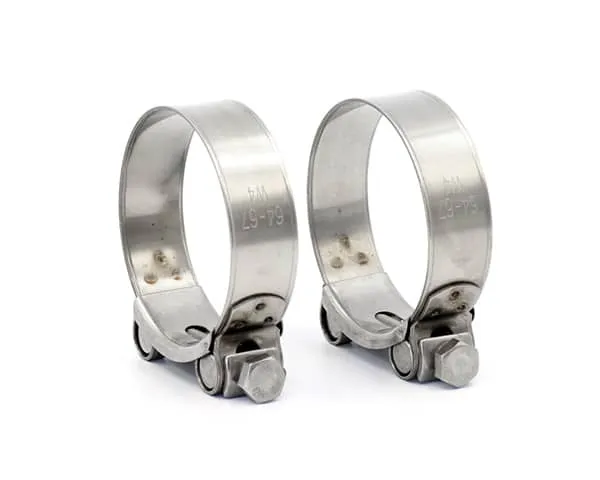
Hose Clamps: The Essential Guide to Choosing, Using, and Maintaining Them
Hose clamps , while often overlooked, are one of the most important yet simple tools in many industries. Whether you're working with vehicles, plumbing systems, or machinery, hose clamps ensure that hoses stay securely attached, preventing leaks and maintaining proper function. In this comprehensive guide, we'll explore everything you need to know about hose clamps: from types, uses, and installation to maintenance and troubleshooting.
What Are Hose Clamps?
A hose clamp is a mechanical device used to secure a hose onto a fitting or barb. The primary function is to provide a tight and secure connection, preventing leaks or disconnections under pressure. They come in various designs, each tailored for specific applications, but all share the same basic goal: to ensure that your hose stays in place, no matter the environment or pressure levels.
Why Are Hose Clamps Important?
Imagine trying to run a high-powered engine or a water pump without hose clamps — the hoses would quickly detach, causing leaks and system failures. Hose clamps are crucial in ensuring that hoses stay connected to their fittings, maintaining pressure, and preventing fluid or gas from escaping. Whether in automotive, plumbing, or industrial systems, these small but mighty tools make a big difference in keeping things running smoothly.
Types of Hose Clamps
There are many different types of hose clamps, each suited for specific needs. Here are some of the most common types: 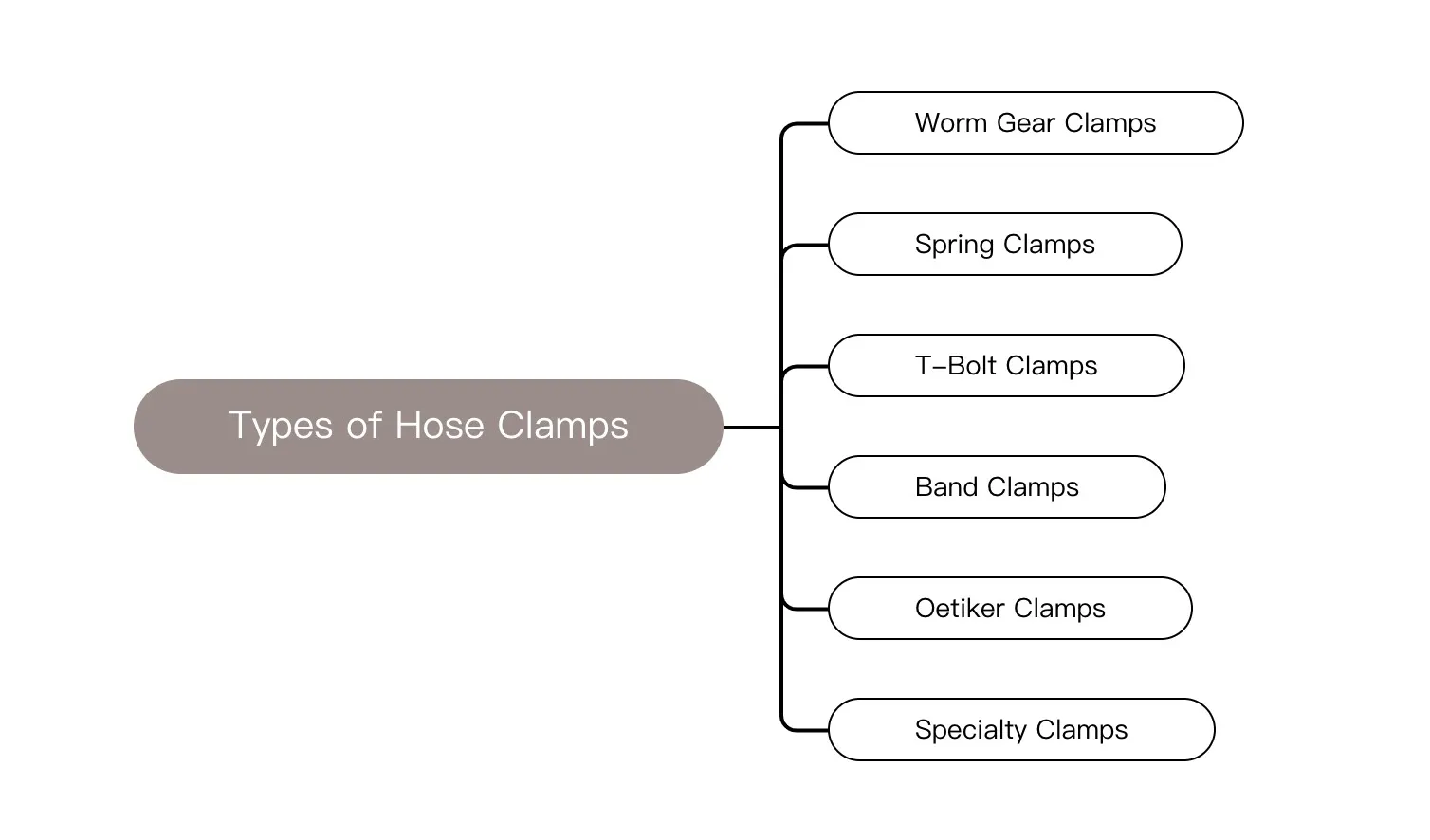 Types of Hose Clamps
Worm Gear Clamps
Worm gear clamps are the most widely used type of hose clamp. They feature a metal band with a screw that tightens or loosens the clamp around the hose. These clamps are adjustable and ideal for applications that require a firm grip.
Spring Clamps
Spring clamps are simple, durable clamps that use tension to secure the hose. They are often used in situations where a permanent, non-adjustable fit is required.
T-Bolt Clamps
T-bolt clamps are heavy-duty clamps that use a T-shaped bolt to secure the hose. They are typically used for high-pressure applications or where high torque is needed.
Band Clamps
These are flexible clamps that use a continuous band to secure the hose. They are especially effective in industrial or automotive applications where flexibility is necessary.
Oetiker Clamps
Oetiker clamps, also known as ear clamps, are a type of clamp that is commonly used in automotive applications. They require special tools to install and are great for sealing hoses under extreme pressure.
Specialty Clamps
There are also clamps designed for specific applications, such as marine environments, which are resistant to saltwater corrosion, or those designed for use with very specific hose sizes or materials.
How Hose Clamps Work
Hose clamps work by applying even pressure around the circumference of the hose. When tightened, they compress the hose against the fitting, creating a seal that prevents leaks. The material of the clamp and the pressure it applies must be carefully selected to ensure the clamp does not damage the hose while still maintaining a secure fit.
Applications of Hose Clamps

Automotive
Hose clamps are frequently used in the automotive industry to secure radiator hoses, fuel lines, and other essential components. They are critical for keeping engines running smoothly.
Industrial
In industrial environments, hose clamps are used to maintain high-pressure systems, pipelines, and machinery that rely on flexible hoses.
Plumbing
Hose clamps are also used in plumbing to secure water lines and drainpipes. Their ability to create airtight seals helps prevent leaks and improve system efficiency.
Agricultural Use
In agriculture, hose clamps are used in irrigation systems, machinery, and even fuel lines for farming equipment.
Marine Applications
Marine hose clamps are specially designed to withstand the harsh conditions of saltwater environments, making them essential for boats and other marine vehicles.
Factors to Consider When Choosing Hose Clamps
When selecting a hose clamp, you must consider several factors to ensure a proper fit and long-term durability:
Material of Construction
Hose clamps are typically made from materials like stainless steel, zinc-plated steel, and plastic. Stainless steel is often the best choice for corrosion resistance and strength.
Size and Compatibility
Ensure that the clamp size matches the hose and fitting dimensions. Too large, and the clamp won't be effective; too small, and it won't fit the hose.
Pressure and Temperature Rating
Hose clamps are rated for certain pressure and temperature limits. Be sure to choose one that can withstand the demands of your application.
Corrosion Resistance
In environments where corrosion is a concern, like marine or outdoor settings, opt for clamps that are corrosion-resistant or coated for extra protection.
Environment and Application
Consider the specific needs of your application. For example, high-pressure systems require heavy-duty clamps like T-bolt or Oetiker clamps.
Step-by-Step Guide on How to Install a Hose Clamp
Proper installation is key to ensuring that your hose clamp performs well. Here's how to do it:
- Prepare the Hose and Clamp: Make sure both the hose and the fitting are clean and free of debris.
- Position the Clamp Correctly: Slide the clamp over the hose and position it near the end of the hose, ensuring the clamp fully covers the fitting.
- Tighten the Clamp Without Over-tightening: Using a screwdriver or wrench, tighten the screw to secure the clamp, but avoid over-tightening as this can damage the hose or fitting.
- Verify a Secure Fit: Once the clamp is tightened, check for leaks or movement. The hose should feel secure without any wiggle.
Common Issues with Hose Clamps
While hose clamps are simple to use, they can still present a few challenges:
Leaks Due to Incorrect Installation
Improper installation can lead to leaks. Be sure to check the clamp's tightness regularly to ensure a secure seal.
Clamp Material Failure
Certain materials may degrade over time, leading to corrosion or wear. Always choose clamps made from durable materials suited to your application.
Over-tightening and Damage
Over-tightening a hose clamp can cause it to cut into the hose or damage the fitting, leading to leaks or failures.
Wear and Tear Over Time
Hose clamps can wear out over time, especially in harsh environments. Regular inspections and timely replacements are crucial.
Maintenance of Hose Clamps
To keep hose clamps in good working condition, perform regular maintenance:
Inspect for Damage or Wear
Check for rust, wear, or corrosion. If a clamp is damaged, replace it promptly.
Cleaning and Lubrication Tips
Periodically clean hose clamps to remove dirt and debris. Lubricate moving parts to prevent rust.
When to Replace a Hose Clamp
If a clamp shows signs of wear or corrosion, replace it immediately to prevent potential failures.
The Advantages of Using Quality Hose Clamps
Using high-quality hose clamps ensures better performance and longevity, saving you time and money in the long run. It also ensures the safety and functionality of your systems.
Conclusion
Hose clamps are essential components in a variety of applications, from automotive engines to plumbing systems. By understanding the different types, installation methods, and maintenance tips, you can ensure that your systems run efficiently and safely.
FAQs
- What are the most common types of hose clamps? The most common types include worm gear, spring, T-bolt, and Oetiker clamps.
- How do I know which size hose clamp to choose? Measure the outer diameter of the hose and select a clamp that matches the size.
- Can hose clamps be reused? While some hose clamps can be reused, it's generally best to replace them if they show signs of wear or corrosion.
- What materials are hose clamps made from? Hose clamps are typically made from stainless steel, zinc-plated steel, and plastic.
- How do I prevent hose clamps from rusting? Choose corrosion-resistant materials, clean the clamps regularly, and inspect them for damage.